
The real issue behind the Amazon Fire TV Stick lawsuit is whether Amazon allowed certain older Fire TV Stick devices to lose core performance and usability after software changes or reduced support, while consumers still expected those products to function normally. Current reporting says a class action complaint alleges some devices became slow, unstable, or effectively unusable, and that users may have been pushed toward upgrading earlier than expected. These are still allegations in an active legal dispute, not final court findings.
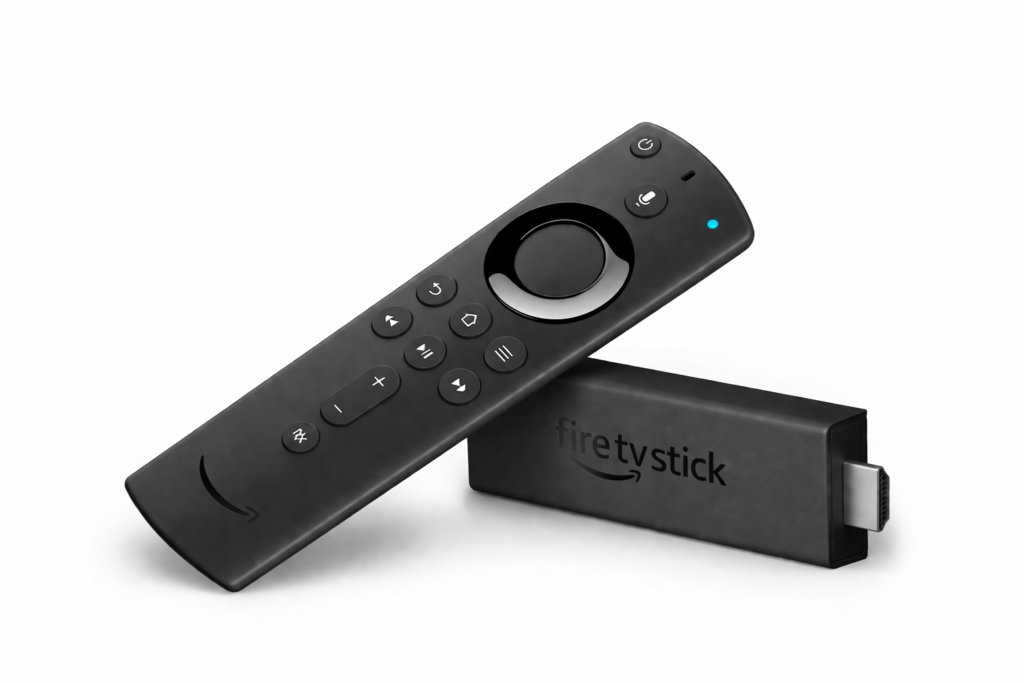
For consumers, this matters because a streaming device is usually sold as a long-term convenience product. Most buyers do not expect to replace it quickly unless it physically breaks. If software decisions shorten the useful life of a device, that raises bigger questions about transparency, digital product lifespan, and consumer rights.
What Is the Amazon Fire TV Stick Lawsuit About?
The lawsuit reportedly claims that Amazon’s handling of software support and updates harmed the performance of some older Fire TV Stick devices. In the coverage available now, the complaint says certain users experienced major slowdowns, reduced functionality, or a near-total loss of practical use after updates or support changes. One version of the complaint described the issue as a forced update that allegedly “degraded” a previously functional Fire TV Stick 4K.
In simple terms, the case appears to focus on this question:
Did Amazon sell or maintain Fire TV Stick devices in a way that left consumers with products that no longer worked as reasonably expected?
That is why the case is getting attention. It is not just about a gadget slowing down over time. It is about whether that decline was ordinary aging, or whether software choices and support decisions played a direct role.
What’s the Real Issue for Consumers?
The real issue is not merely “my Fire Stick is old.” The bigger concern is whether consumers were clearly told how long their device would remain fully supported and whether updates would reduce performance.
Most people understand that old electronics can become outdated. What frustrates buyers is when a device still seems physically fine but becomes difficult to use because the software ecosystem changes around it. If apps stop working well, menus lag, streaming buffers constantly, or key functions break after updates, many users feel the product’s value has been cut short.
That creates three major consumer concerns:
1. Product lifespan
A streaming stick is not marketed like a temporary item. Buyers expect years of reasonable performance.
2. Transparency
If support limits or update risks were not made clear, users may argue they were not fully informed.
3. Forced upgrades
If older devices become frustrating enough to use, customers may feel pushed toward buying a newer Fire TV product sooner than planned.
Why This Lawsuit Matters Beyond Amazon
The Amazon Fire TV Stick lawsuit matters because it reflects a much bigger issue in consumer tech: software can now decide how long hardware remains useful.
Years ago, a device mostly stopped working when the hardware failed. Today, smart devices depend on operating system updates, app compatibility, security support, and backend services. That means a streaming stick, e-reader, phone, or smart speaker may become less useful long before its physical parts wear out.
This broader concern has become more visible in 2026 because Amazon is also ending support for some older Kindle and Kindle Fire devices released in 2012 or earlier, showing how support life has become a major consumer issue across connected devices. That does not prove the Fire TV lawsuit, but it does highlight why users are increasingly sensitive to the idea that aging software support can sharply reduce the value of hardware they already own.
Which Fire TV Devices Could Be Affected?
Public reporting on the lawsuit focuses on older Fire TV Stick devices, and one complaint excerpt specifically references a first-generation Fire TV Stick 4K. However, publicly available coverage does not yet provide a definitive court-confirmed master list of every device affected. That means it would be inaccurate to claim that all Fire TV Sticks are part of the case.
If you own an older Fire TV Stick and have noticed any of the following, your experience may resemble the complaints described in the reporting:
- Very slow menus
- Constant buffering despite stable internet
- App crashes or freezing
- Delayed remote response
- Major performance decline after updates
- Features that previously worked but no longer function properly
That still does not automatically mean your device is legally covered by the lawsuit. It only means your symptoms may be similar to what has been alleged.
Has Amazon Been Found Liable?
As of the latest coverage I found, no final court ruling has established liability. The matter is being reported as a class action lawsuit with allegations from the plaintiff side. That distinction is important for accurate writing and SEO trust signals.
A high-quality blog should avoid saying things like “Amazon bricked Fire TV devices” as a confirmed fact. A more accurate phrasing is:
“A class action lawsuit alleges Amazon’s software support decisions caused certain older Fire TV Stick devices to become slow or unusable.”
That wording keeps the content factual, legally safer, and more credible for both readers and search engines.
What Should Fire TV Stick Owners Do Now?
If you own an older Fire TV Stick and suspect it has become slower or less usable over time, the best next step is documentation.
Start by checking your exact model and when you bought it. Then track the performance issues you are seeing. Note whether the problems started after a software update, whether specific apps stopped working properly, and whether your internet connection is otherwise normal on other devices.
Helpful steps include:
- Record your Fire TV Stick model name
- Save your proof of purchase if available
- Write down update-related issues and dates
- Test performance against another streaming device on the same Wi-Fi
- Watch for official legal updates from credible case-tracking sources
This is useful whether you are simply troubleshooting or deciding whether to follow the class action more closely.
Could This Affect Amazon’s Reputation?
Yes, especially if the case gains more traction.
Amazon’s Fire TV line competes in a crowded streaming market where trust matters. Buyers want affordable hardware, but they also want confidence that the device will stay useful for a reasonable period. If users start associating Fire TV Sticks with short support life or performance loss, that could damage customer confidence even before the case is resolved. That is one reason this lawsuit is attracting attention beyond just legal blogs.
The case also touches on e-waste and sustainability. When connected devices stop being practical because of software support rather than physical failure, many consumers view that as unnecessary waste. That concern has already surfaced in the broader discussion around Amazon’s older Kindle support changes this month.
Final Thoughts
So, what’s the real issue in the Amazon Fire TV Stick lawsuit?
It comes down to whether software updates or support decisions unfairly reduced the usable life of certain older Fire TV Stick devices and whether consumers were given clear enough expectations about that risk. That is why this lawsuit matters. It is not only about one streaming device. It is about digital ownership, product lifespan, transparency, and whether smart hardware should remain reasonably functional for longer than many companies currently allow.
For now, the safest takeaway is this: the lawsuit is real, the allegations are serious, but the legal outcome is still undecided. Anyone publishing on this topic should present it as an ongoing case, not a settled fact.