
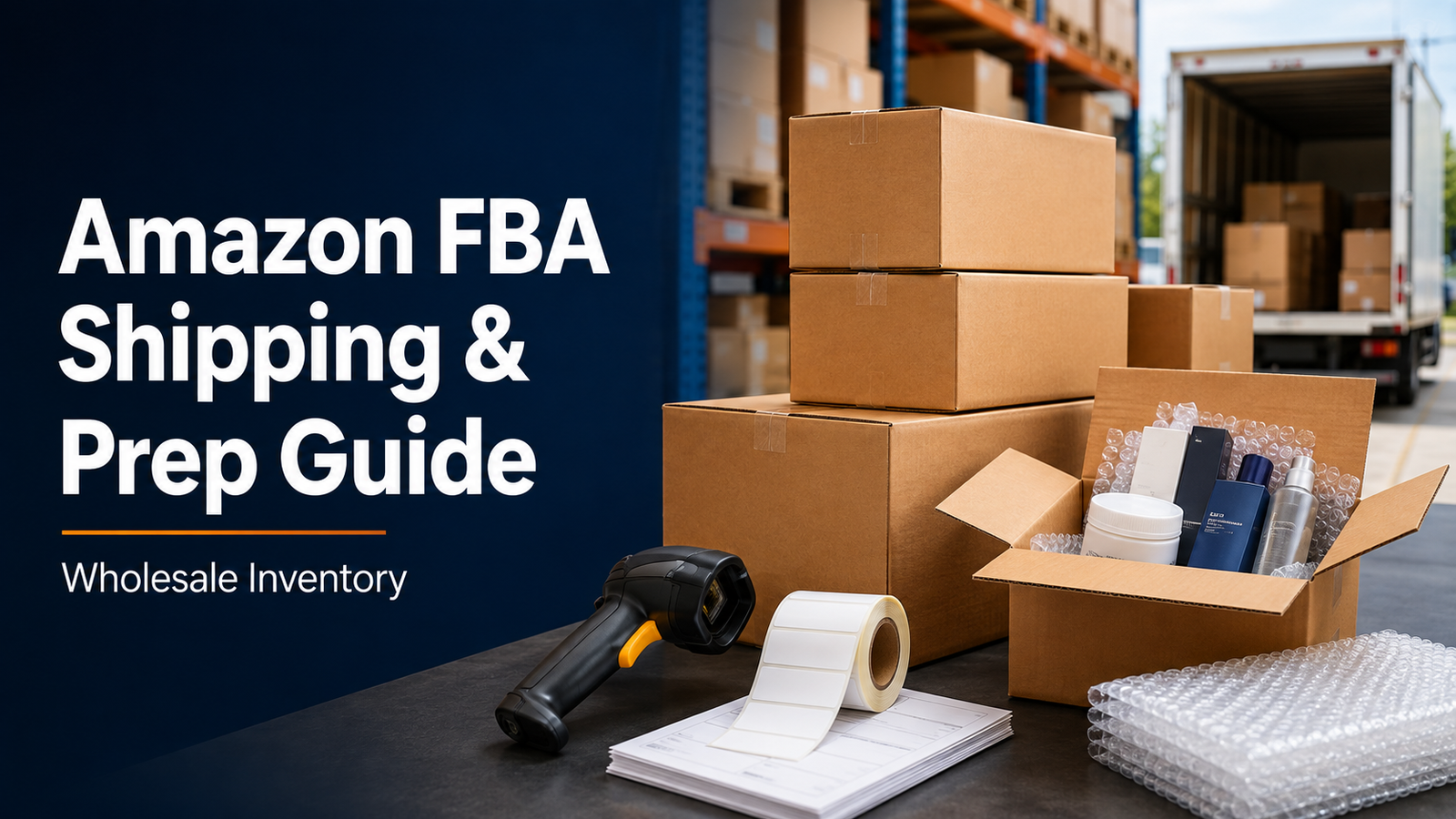
Introduction
Buying authentic products from a wholesale distributor is an important first step for Amazon FBA sellers—but it is only one part of the process. Your inventory still needs to arrive at Amazon in the right condition, with the right labels, documentation, packaging, and shipment plan.
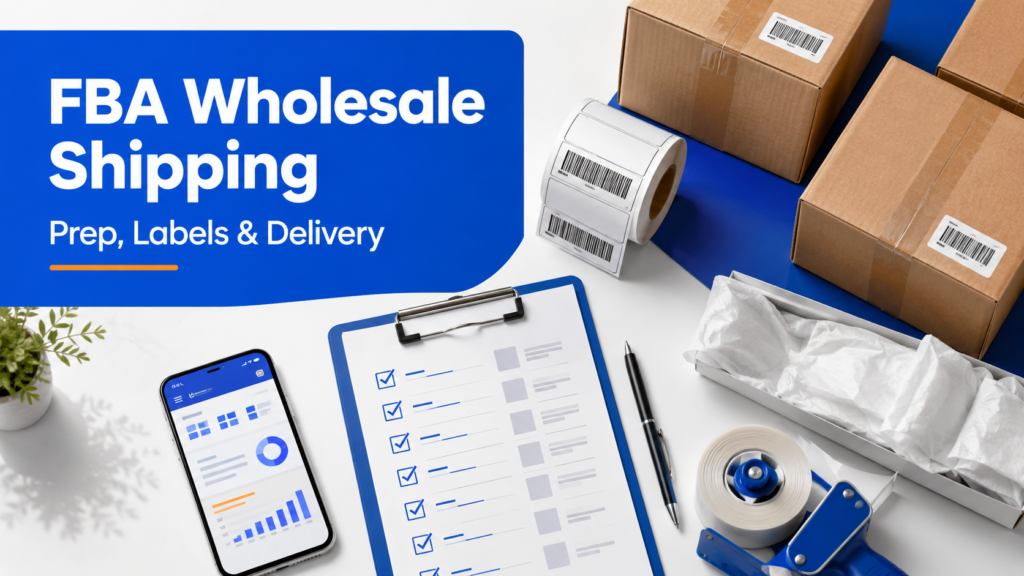
A small preparation mistake can create delays, unexpected prep fees, receiving problems, or inventory that cannot be sold immediately. For wholesale sellers handling multiple SKUs, cartons, and brands, a repeatable shipping process helps protect both cash flow and account health.
This guide explains how to prepare and ship wholesale inventory to Amazon FBA in a practical, easy-to-follow way. It is especially useful for newer wholesale sellers who want to build a more organized process without making expensive avoidable mistakes.
Quick Answer
To ship wholesale inventory to Amazon FBA, first confirm that the product is eligible to sell, create a shipment plan in Seller Central, prepare each unit according to Amazon’s packaging and labeling rules, pack products into accurate cartons, and send them to the assigned fulfillment center.
Keep supplier invoices, product details, carton counts, and tracking information organized. Requirements may vary by category, product type, and marketplace, so always review the instructions shown in your Seller Central shipment workflow before dispatching inventory.
What Does Amazon FBA Shipping and Preparation Mean?
Amazon FBA shipping and preparation is the process of getting inventory ready for Amazon’s fulfillment centers. Once Amazon receives the products, it stores them, picks and packs orders, handles delivery, and often manages customer service and returns.
For wholesale sellers, this process usually includes:
- Checking that products are listed correctly in Seller Central
- Confirming product condition and eligibility
- Applying FNSKU or manufacturer barcode labels when required
- Preparing products with poly bags, bubble wrap, seals, or other protection where needed
- Packing units into cartons safely
- Adding carton labels
- Booking shipment pickup or delivery through an approved carrier
It sounds simple, but wholesale inventory can become complicated quickly. A shipment may include different brands, products with different prep rules, fragile items, expiration-dated products, and multiple destination warehouses.
The goal is not only to get products delivered. The goal is to get them checked in accurately and available for sale with minimal delays.
Why Amazon FBA Shipping and Preparation Matters for Wholesale Sellers
Wholesale selling depends heavily on planning. You may buy inventory in larger quantities than a typical retail arbitrage seller, which means a shipping issue can affect a bigger amount of capital.
Good FBA preparation matters because it can help you:
- Reduce avoidable receiving delays
- Protect products from damage in transit
- Avoid incorrect labeling and carton information
- Keep inventory records clear for each supplier and brand
- Improve restocking decisions over time
- Support a more organized Amazon account operation
This is closely connected to inventory planning. If you recently read our guides on Amazon FBA inventory forecasting and finding the right balance between overstock and understock, the next practical step is making sure the inventory you decide to order is shipped correctly and reaches Amazon ready to sell.
Poor shipment preparation can undermine an otherwise good sourcing decision. For example, a profitable product may lose margin if it arrives damaged, is sent with inaccurate carton details, or requires unplanned corrections.
Step-by-Step Guide to Shipping Wholesale Inventory to Amazon FBA
1. Confirm You Can Sell the Product Before Ordering
Before you create an FBA shipment, confirm that you can list and sell the product through your Amazon account. Some brands or categories may have restrictions, and requirements can change.
Review the product listing in Seller Central and check for any alerts, approvals, or documentation requests. If Amazon asks for invoices or other sourcing documentation, accurate records from a legitimate supplier may help support approval requests, depending on Amazon’s requirements.
When sourcing wholesale inventory, keep these details for every order:
- Supplier name and contact details
- Invoice number and invoice date
- Product names and quantities
- Brand information
- SKU, UPC, or ASIN details where available
- Payment records and shipping confirmations
These records can help sellers keep better sourcing records and understand where their inventory came from.
2. Inspect Inventory When It Arrives
Do not assume that every carton received from a supplier is ready to send directly to Amazon. Inspect the inventory first, especially when you are working with a supplier for the first time or ordering a new product.
Check for:
- Damaged outer packaging
- Incorrect product variations
- Missing units
- Expiration dates, where applicable
- Leaking, broken, or opened products
- Incorrect UPCs or labels
- Any retail stickers that may cause confusion
For products that have expiration dates, review Amazon’s current requirements carefully. These products often need clear date labels and may have minimum remaining shelf-life standards.
A simple inspection process before shipment can save time later. Take photos of damaged cartons or product issues, and contact the supplier promptly if something does not match the purchase order.
3. Create the FBA Shipment Plan in Seller Central
After confirming your products are ready, create a shipment plan in Seller Central. Amazon will guide you through the shipment workflow, including product quantities, preparation requirements, label preferences, and destination fulfillment center details.
During this stage, make sure you enter the correct number of units. Inaccurate quantities can create receiving issues and make it harder to reconcile inventory later.
Amazon may also provide preparation instructions based on the product type. For example, some items may need:
- Poly bags
- Bubble wrap
- Opaque bags
- Safety seals
- Warning labels
- Expiration-date labels
- Additional protection for fragile items
Always follow the instructions displayed for your exact SKU. Do not rely only on what worked for a previous product, because FBA prep requirements may vary by category and marketplace.
4. Label Every Unit Correctly
Many wholesale sellers use Amazon’s FNSKU labels so Amazon can identify inventory as belonging to their seller account. In some cases, manufacturer barcodes may be accepted, but you should confirm which barcode option applies to your listing.
Each sellable unit should have one scannable barcode. If there are multiple barcodes on the package, make sure the barcode Amazon should scan is visible and any conflicting barcode is covered where required.
A good labeling checklist includes:
- Print labels clearly with no blur or fading
- Place labels on a flat, easy-to-scan area
- Do not place labels over product names, ingredients, or important warnings
- Avoid wrapping labels around corners or curved edges
- Confirm every unit has the correct label before carton packing
For larger wholesale orders, it is worth using a simple SKU checklist or spreadsheet. Mark each product as inspected, labeled, packed, and shipped. This keeps the process controlled when several products are being handled at once.
5. Prepare Products for Safe Handling
Amazon fulfillment centers receive and move inventory through a large operational network. Products need to be packed so they can safely travel, be stored, and be fulfilled to customers.
Use the right type of protection for the item. Fragile glass products may need bubble wrap, while loose accessories might need a sealed poly bag. Products sold as sets should be clearly marked so they are not separated during handling.
Useful preparation practices include:
- Seal products that can open easily
- Use protective packaging for fragile items
- Keep multi-packs together securely
- Ensure loose pieces are contained
- Use clean, new packaging materials
- Add suffocation warnings to poly bags when required
- Remove unnecessary external packaging that may confuse identification
Avoid overpacking products unnecessarily. The aim is safe, compliant, and efficient preparation—not adding extra materials that increase cost and carton weight.
6. Pack Cartons Carefully and Record Their Contents
Once products are prepared, pack them into strong cartons. Use boxes that are in good condition and suitable for the weight of the inventory.
Do not leave excessive empty space in a carton. Fill open space with appropriate packing material so products do not move around during transit. At the same time, avoid making cartons too heavy or difficult to handle.
Before sealing each carton, record:
- The SKU or ASIN inside
- Number of units
- Carton weight
- Carton dimensions
- Any special handling information
- Carton number, such as 1 of 6 or 2 of 6
Accurate carton content information is essential. Amazon may ask you to confirm box contents in Seller Central, and incorrect details can lead to delays or additional handling issues.
7. Apply Carton Labels and Arrange Delivery
After completing the shipment workflow, Amazon will provide shipment labels for each carton. Print and attach them securely. Each carton needs the correct label, so double-check that labels are not mixed between boxes.
Use the carrier method selected in Seller Central or arrange delivery according to Amazon’s instructions. Keep copies of:
- Carrier receipts
- Tracking numbers
- Delivery confirmations
- Shipment ID
- Carton count records
Track the shipment until it reaches the assigned fulfillment center. Delivery does not always mean inventory becomes available immediately, as Amazon still needs to receive and process the units.
Common Amazon FBA Shipping Mistakes to Avoid
Sending Inventory Without Checking Eligibility
Do not buy a large order simply because the price looks attractive. Check whether the product can be listed and sold through your account before committing significant funds.
Using Incomplete or Unclear Supplier Documentation
Invoices should be accurate, readable, and connected to the products you purchased. Keep original documents safely stored instead of relying only on screenshots or informal messages.
Ignoring Product-Specific Prep Requirements
A product that requires a poly bag, seal, or expiration label should not be sent without it. Review each product’s Seller Central instructions before you pack.
Entering Incorrect Box Contents
Incorrect carton quantities, weights, or dimensions can cause operational issues. Weigh and measure cartons carefully, then enter the information accurately.
Choosing the Cheapest Shipping Option Without Considering Reliability
Low shipping cost matters, but delivery reliability, tracking quality, and handling experience matter too. Delayed or poorly handled shipments can affect your inventory availability and your ability to meet demand.
How a Verified Wholesale Distributor Can Help
A reliable distributor does more than provide products. It can make the sourcing and preparation process more organized by giving you clear invoices, product information, consistent communication, and traceable order records.
For Amazon wholesale sellers, this can be especially valuable when building a long-term sourcing system. Authentic sourcing records, proper invoicing, and accurate product details may help sellers respond to Amazon requests more confidently, depending on Amazon’s requirements.
At Nations Distributor, sellers can explore wholesale opportunities with a sourcing-focused approach. Learning more about the distributor can also help you understand whether its product categories and process fit your business model.
If you are ready to source inventory for your next FBA shipment, you can apply for a wholesale account or contact the team to discuss available product categories and next steps.
Final Thoughts
Amazon FBA shipping and preparation is not just an operational task—it is a key part of protecting your inventory investment. The strongest wholesale sellers treat labels, packaging, carton records, invoices, and delivery tracking as one connected system.
Start with products you are eligible to sell, inspect inventory before it moves, follow Amazon’s latest preparation instructions, and keep clear records from supplier to fulfillment center. With a repeatable process, you can reduce avoidable problems and spend more time evaluating products, forecasting demand, and growing responsibly.
Ready to source authentic wholesale inventory for Amazon? Visit Nations Distributor to explore the business, apply for a wholesale account, or get in touch to discuss your sourcing needs.
FAQs
1. How do I prepare wholesale products for Amazon FBA?
Prepare wholesale products by confirming they are eligible to sell, inspecting their condition, applying the correct labels, following Amazon’s product-specific prep instructions, and packing them securely into accurately documented cartons.
2. Do I need to label every item for Amazon FBA?
In many cases, yes. Amazon may require an FNSKU label on each sellable unit unless the listing is eligible to use the manufacturer barcode. Always confirm the barcode option and labeling instructions in Seller Central.
3. Can I ship inventory directly from a wholesale supplier to Amazon FBA?
It may be possible if the supplier can meet Amazon’s labeling, packaging, carton-content, and shipping requirements. However, many sellers choose to inspect or use a prep service first to reduce the risk of shipment errors.
4. What documents should I keep for Amazon wholesale inventory?
Keep supplier invoices, payment confirmations, purchase orders, product details, shipping records, tracking information, and correspondence. Clear records can help sellers keep better sourcing documentation if Amazon requests information.
5. What happens if Amazon FBA inventory is prepared incorrectly?
Amazon may charge unplanned prep fees, delay receiving, return inventory, or mark some units as unavailable. Outcomes depend on the issue and Amazon’s current requirements, so checking each shipment before dispatch is important.