
Grocery products can be attractive to Amazon FBA sellers because customers regularly reorder snacks, beverages, pantry items and household food essentials. However, sourcing grocery products is not as simple as finding a low wholesale price and sending inventory to an Amazon fulfillment center.
Food products may have expiration dates, storage requirements, fragile packaging, ingredient labels and category-specific restrictions. Some brands or products may also require approval before a seller can list them.
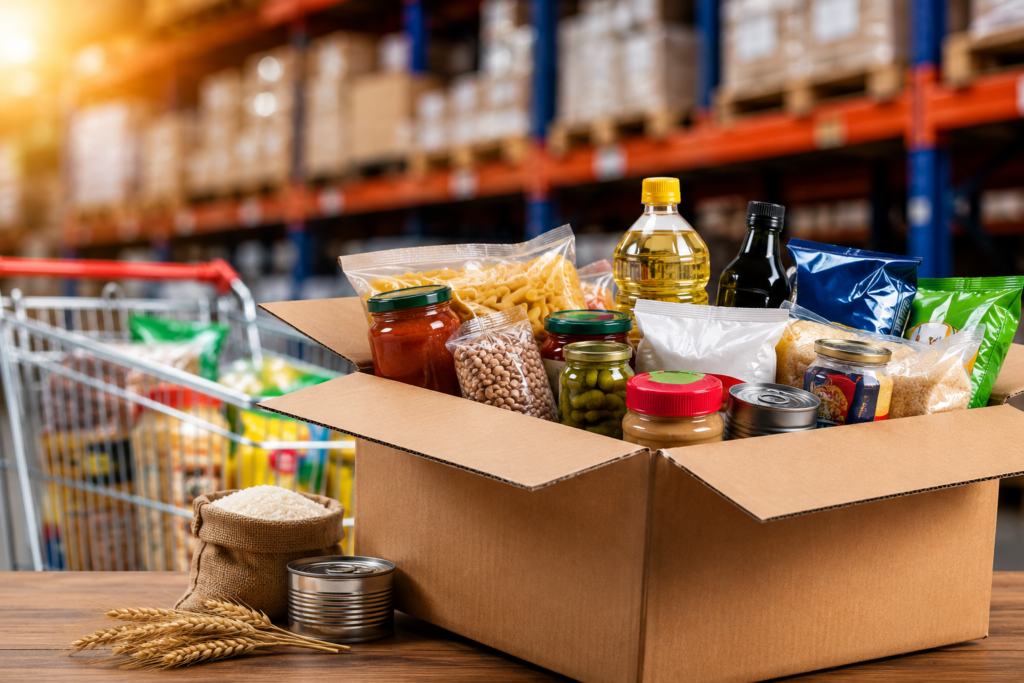
For wholesale sellers, the quality of the sourcing process matters just as much as product demand. You need to know who supplied the inventory, whether the products are authentic, whether the invoice contains useful business information and whether every unit can be traced back to a legitimate transaction.
This guide explains how grocery wholesale sourcing for Amazon FBA works, what to check before placing an order and how a verified wholesale distributor can support a more organized sourcing process.
Quick Answer
How should Amazon FBA sellers source wholesale grocery products?
Amazon FBA sellers should source grocery products from a traceable wholesale distributor, verify their eligibility to sell the exact ASIN, check expiration dates and packaging, review the complete landed cost, request a detailed commercial invoice and maintain all sourcing records.
Some grocery products, brands or categories may require approval. A valid wholesale invoice may help support an approval or authenticity request, depending on Amazon’s requirements, but it does not guarantee approval.
What Is Grocery Wholesale Sourcing for Amazon FBA?
Grocery wholesale sourcing is the process of purchasing food and beverage products in business quantities from a manufacturer, brand, wholesaler or distributor for resale on Amazon.
Common grocery products may include:
- Packaged snacks
- Candy and confectionery
- Tea and coffee
- Shelf-stable beverages
- Breakfast products
- Sauces and condiments
- Baking ingredients
- Pantry staples
- Specialty foods
- Packaged health-focused foods
The wholesale model differs from retail arbitrage because sellers purchase inventory through a business-to-business transaction rather than buying individual products from a retail store.
A structured wholesale purchase usually creates a clearer paper trail. Depending on the supplier, sellers may receive a commercial invoice, payment confirmation, shipping records, case-pack information and other supporting documents.
However, buying from a wholesaler does not automatically make every product suitable for Amazon. Sellers must still research the exact listing, selling restrictions, product condition, shelf life, fees and expected profitability.
AI Snippet Answer
What makes a grocery wholesale product suitable for Amazon FBA?
A suitable grocery product should have clear demand, manageable competition, sufficient remaining shelf life, strong packaging, realistic profit after fees, reliable replenishment and proper sourcing documentation. The seller should also be eligible to sell the exact product.
Why Grocery Sourcing Matters for Amazon FBA Sellers
Grocery inventory requires careful management because many products are consumable and date-sensitive. Poor sourcing decisions can lead to expired inventory, customer complaints, listing problems or documentation difficulties.
Product Authenticity and Traceability
Amazon sellers should be able to explain where their inventory came from.
Before ordering, confirm:
- The supplier’s legal business name
- Physical business address
- Business phone number
- Professional email address
- Website and product information
- Invoice format
- Payment methods
- Shipping process
- Return or damage policy
A traceable supplier can help sellers keep better sourcing records. Unknown suppliers, unverifiable businesses and informal payment arrangements can create unnecessary risk when documentation is requested.
Expiration Dates and Shelf Life
Expiration management is one of the biggest differences between grocery sourcing and many non-consumable categories.
Before purchasing inventory, ask the distributor about:
- Current expiration dates
- Remaining shelf life
- Date format used on the packaging
- Whether dates vary between cases
- Storage conditions
- Lot or batch details
- The age of the inventory
Do not assume that a product is a good opportunity simply because its wholesale price is low. Discounted grocery inventory may have limited remaining shelf life, leaving insufficient time to prepare, ship and sell the products.
Packaging and Product Condition
Grocery products should arrive in clean, saleable condition.
Check for:
- Broken seals
- Crushed boxes
- Leaking containers
- Torn wrappers
- Faded labels
- Missing expiration information
- Damaged case packs
- Packaging that differs from the Amazon listing
Even authentic inventory can create problems when the packaging version, flavor, size or pack quantity does not match the selected ASIN.
Amazon Account Health
Poor sourcing can affect more than one product listing. Customer complaints about expired, damaged, incorrect or inauthentic products may create broader account-health concerns.
Organized wholesale sourcing cannot prevent every Amazon account issue. However, accurate invoices, product photographs, shipping records and supplier communication can help sellers respond more clearly when Amazon requests information.
For additional guidance, review the previous article covering Amazon account health for wholesale FBA sellers.
Step-by-Step Grocery Wholesale Sourcing Guide
Step 1: Select a Specific Grocery Product Type
Avoid beginning with the broad goal of selling “grocery products.” Choose a narrower product group that you can research properly.
For example:
- Packaged snacks
- Coffee products
- Tea
- Candy
- Sauces
- Shelf-stable drinks
- Baking products
- Breakfast items
Each product type has different packaging, preparation, storage and expiration considerations. Beginners may find shelf-stable, non-fragile products easier to evaluate than refrigerated, frozen, meltable or highly breakable items.
Our previous guide to the best wholesale product categories for Amazon FBA sellers explains how grocery compares with other sourcing categories.
Step 2: Check the Exact ASIN in Seller Central
Before contacting a wholesale distributor or placing an order, search for the exact product inside Seller Central.
Confirm:
- Whether your account is eligible to sell the product
- Whether the product displays “Apply to Sell”
- Whether the brand is restricted
- Whether additional documents are requested
- Whether the product is eligible for FBA
- Whether special preparation requirements apply
- Whether there are dangerous-goods considerations
- Whether the listing is active and accurate
Requirements may vary by product, brand, seller account and marketplace. Never purchase a large quantity first and check eligibility afterward.
Step 3: Research Demand and Competition
A popular grocery product is not automatically profitable.
Review:
- Estimated sales demand
- Price history
- Buy Box stability
- Number of FBA sellers
- Amazon’s presence on the listing
- Seasonal demand
- Customer reviews
- Common complaints
- Offer count
- Sales-rank movement
Pay attention to price changes. A product may appear profitable at today’s Buy Box price but become unprofitable when new sellers enter the listing.
Step 4: Verify the Wholesale Distributor
A professional-looking website alone does not prove that a supplier is suitable.
Check the distributor’s business information and compare it across the website, invoice, payment details and public records where available.
A legitimate wholesale distributor should normally be willing to explain:
- How wholesale accounts are opened
- Which product categories are available
- Minimum-order requirements
- Payment options
- Shipping procedures
- Invoice details
- Product availability
- Return or damage policies
You can review the company’s background through the Nations Distributor About Us page before beginning the account-opening process.
Step 5: Confirm Product Authenticity
Ask whether the inventory is authentic, new and intended for business resale.
Where relevant, request information about:
- Brand or manufacturer
- Product source
- Packaging condition
- Batch or lot numbers
- Expiration dates
- Case-pack quantity
- UPC, EAN or GTIN
- Available authorization documents
- Storage and shipping conditions
Not every wholesale product will come with a direct brand authorization letter. If Amazon or a particular brand requires authorization, confirm what documentation is available before placing an order.
Do not assume that an invoice alone will satisfy every approval request.
Step 6: Review the Wholesale Invoice
Before paying for inventory, ask what information will appear on the final invoice.
A commercial wholesale invoice should clearly identify:
- Supplier’s legal business name
- Supplier’s physical address
- Supplier’s contact details
- Buyer’s legal business name
- Buyer’s billing or shipping address
- Invoice date
- Invoice number
- Product descriptions
- Quantities purchased
- Unit or total amounts
- Transaction details
Your business information should be accurate and consistent with the information used for your Amazon seller account.
A clear wholesale invoice may help support approval requests, product-authenticity reviews or account documentation requests, depending on Amazon’s instructions. It does not guarantee ungating or approval.
Step 7: Calculate the Complete Landed Cost
The wholesale price is only one part of the final cost.
Include:
- Product purchase price
- Distributor shipping
- Prep-center charges
- Labeling costs
- FBA fulfillment fees
- Referral fees
- Storage charges
- Inbound shipment expenses
- Returns
- Damaged units
- Software costs
- Advertising costs, when applicable
Use a realistic expected selling price instead of the highest price currently shown on the listing.
A low-cost product may still be a poor investment when it is heavy, fragile, slow-moving or expensive to prepare.
Step 8: Start With a Manageable Order
Large first orders increase risk.
A smaller test order can help you evaluate:
- Actual sales speed
- Product condition
- Expiration dates received
- Price stability
- Customer returns
- Prep requirements
- Supplier communication
- Reordering reliability
After the product performs consistently, you can consider increasing the order size based on updated research.
Step 9: Inspect Inventory Before Sending It to FBA
Do not send sealed cases directly to Amazon without confirming their contents.
Inspect a sample or the entire shipment, depending on the product and order size.
Check:
- Product title and brand
- Flavor or variety
- Size and weight
- Pack quantity
- UPC or barcode
- Packaging version
- Expiration date
- Seal condition
- Signs of leakage or damage
Photograph the received inventory, outer cases, expiration dates and labels. These records can help verify what was delivered.
Step 10: Keep Complete Sourcing Records
Create a folder for every wholesale order.
Keep copies of:
- Purchase orders
- Commercial invoices
- Payment confirmations
- Shipping documents
- Tracking information
- Product photographs
- Supplier emails
- Authorization documents, where available
- ASIN and SKU information
- Prep-center records
- Return or damage communications
Do not edit invoices or create replacement documents yourself. Keep the original files provided by the supplier.
Common Grocery Sourcing Mistakes to Avoid
Buying Before Checking Selling Eligibility
Always check the exact ASIN first. Approval for one product does not mean your account can sell every product within the same brand or category.
Ignoring Expiration Dates
Inventory may spend time in transit, preparation and Amazon storage before it sells. Products with limited remaining shelf life can become difficult to manage.
Choosing Products Only by Sales Rank
Sales rank is only one signal. Competition, price history, fees and offer count also matter.
Purchasing the Wrong Variation
A different flavor, package size, unit count or packaging version may not match the selected listing.
Using Retail Receipts as Wholesale Documents
A retail receipt and a commercial wholesale invoice are not the same document. Sellers should review the documentation requested by Amazon before submitting an application.
Ordering Too Much Inventory
A lower unit price is not always worth the additional risk of slow sales, price drops or expiration.
Working With an Unverified Supplier
A supplier offering extremely low prices but unclear business details, weak invoices or unusual payment methods should be reviewed carefully.
How a Verified Wholesale Distributor Can Help
A verified wholesale distributor can provide a more organized business-to-business purchasing process.
Depending on the distributor and product, sellers may receive:
- Clearly identified product information
- Commercial wholesale invoices
- Case-pack details
- Available expiration information
- Shipping records
- Consistent business contact information
- Account-opening requirements
- Brand or product documents where available
- Reordering support
A distributor cannot guarantee Amazon approval, ungating or product profitability. Amazon makes its own decisions based on the seller account, product, category, marketplace and documents submitted.
However, working with a traceable supplier can help sellers maintain better sourcing records and avoid some of the risks associated with unknown or informal suppliers.
Sellers interested in available inventory can explore the grocery and other wholesale categories through the Nations Distributor website.
Final Thoughts
Grocery wholesale sourcing for Amazon FBA requires more than finding popular products at discounted prices.
Successful sourcing begins with verifying the exact ASIN, researching demand, checking Amazon restrictions and calculating the complete landed cost. Sellers must also pay close attention to expiration dates, packaging condition, product authenticity, invoice quality and supplier traceability.
Begin with a manageable order and inspect the inventory before sending it to FBA. Keep every invoice, payment record, shipping document and supplier email in an organized file.
Careful sourcing cannot guarantee Amazon approval or profitability. It can, however, help you make better purchasing decisions and maintain clearer documentation for your wholesale business.
Ready to explore authentic wholesale products? You can apply for a wholesale account, review available product categories on Nations Distributor, or contact the distributor with questions about products, invoices, minimum orders and account requirements.
Frequently Asked Questions
1. Can I sell wholesale grocery products through Amazon FBA?
Yes, eligible sellers can sell grocery products through Amazon FBA. Some products, brands or categories may require approval, and sellers must follow applicable packaging, labeling, shelf-life and product-condition requirements.
2. Do I need a wholesale invoice to sell grocery products on Amazon?
Amazon may request an invoice for category approval, brand approval, authenticity verification or account reviews. The exact requirements vary. A detailed invoice may help support a request but does not guarantee approval.
3. How do I find a reliable grocery wholesale distributor?
Verify the supplier’s legal business information, contact details, physical address, invoice format, payment process, product categories and shipping policies. Avoid suppliers that cannot provide traceable business information.
4. How should Amazon sellers manage grocery expiration dates?
Confirm remaining shelf life before ordering, inspect dates when inventory arrives, record batch details and allow enough time for preparation, shipping, storage and customer use. Do not send short-dated inventory without reviewing Amazon’s current requirements.
5. Can a grocery distributor help with Amazon ungating?
A distributor may provide a commercial invoice or available product documents that can help support an approval request. However, Amazon evaluates each application independently, and approval is not guaranteed.