
Product Authenticity on Amazon: How Wholesale Sourcing Protects Sellers
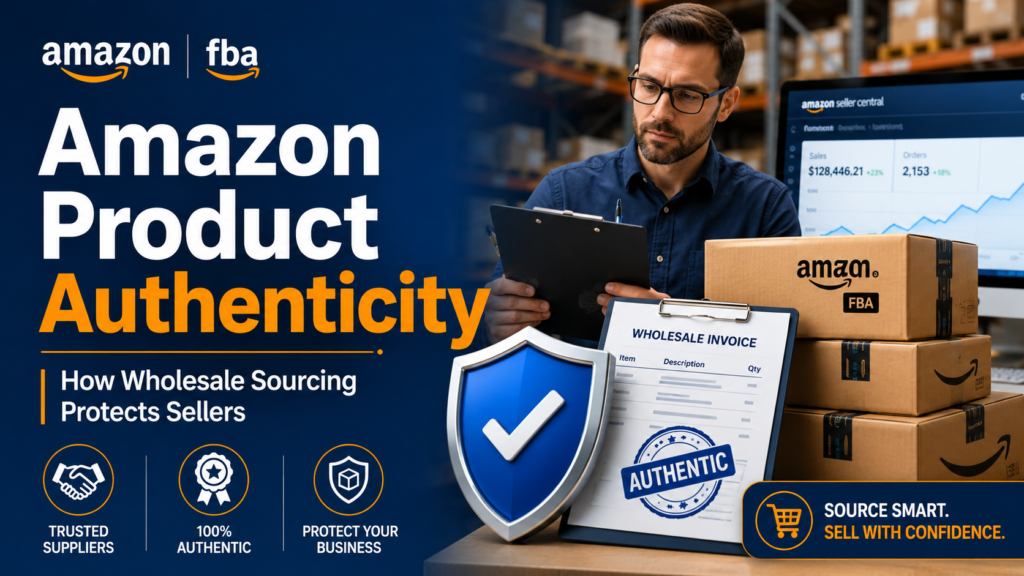
Selling on Amazon can be a great opportunity, but it also comes with serious responsibility. Customers expect genuine products, Amazon expects proper sourcing records, and sellers need to protect their accounts from authenticity complaints, listing removals, and documentation issues. For many Amazon FBA sellers, especially beginners, the biggest mistake is not choosing the right supplier. A low price may look attractive, but if the product source is unclear, the risk can be much higher than the profit. That is where wholesale sourcing becomes important. Working with a verified wholesale distributor can help sellers build a cleaner supply chain, keep better invoices, and source products with more confidence. If you read our previous blog on Amazon FBA sourcing, this article continues the same topic by explaining why product authenticity matters and how proper wholesale sourcing can support long-term seller safety. Quick Answer Product authenticity on Amazon means selling genuine products from reliable and traceable sources. Wholesale sourcing can help protect sellers by providing proper invoices, distributor details, product records, and in some cases brand authorization documents. These records may help support approval requests, account health reviews, or authenticity-related documentation depending on Amazon’s requirements. What Is Product Authenticity on Amazon? Product authenticity on Amazon means the product being sold is genuine, correctly branded, and sourced through a reliable supply chain. For Amazon sellers, authenticity is not only about having a real product in hand. It is also about being able to prove where the product came from. Amazon may ask sellers for documents such as supplier invoices, brand authorization letters, product photos, safety documents, or other category-specific records depending on the marketplace and product category. For example, Amazon’s own beauty selling guidance says some products may require invoices, brand authorization letters, and other documentation depending on the approval process. For Amazon FBA sellers, this makes sourcing one of the most important parts of the business. If your supplier cannot provide clean business invoices or clear product information, it can create problems later. A strong sourcing process should answer three simple questions: When sellers source from random marketplaces, liquidation lots, retail clearance, or unknown middlemen, these questions can be difficult to answer. Wholesale sourcing helps reduce that gap by creating a more organized and document-friendly buying process. Why Product Authenticity Matters for Amazon FBA Sellers Product authenticity directly affects customer trust, listing performance, and account health. Amazon wants buyers to receive genuine products, and sellers are expected to follow product quality and sourcing standards. For FBA sellers, authenticity matters because inventory is stored and shipped through Amazon’s fulfillment network. If a customer complains that an item is fake, damaged, expired, different from the listing, or not as expected, Amazon may review the seller’s documents. This does not mean every complaint is correct. However, sellers still need proper records to respond professionally. Product authenticity matters because it can help sellers: This is especially important in categories such as Beauty & Personal Care, Health & Household, grocery, baby products, supplements, electronics, and branded consumer goods. These categories often have stricter quality, safety, or authorization expectations. If you are planning to sell in categories like Beauty & Personal Care or Health & Household, sourcing from a verified wholesale distributor can help you stay more organized from day one. Step-by-Step Guide to Protecting Product Authenticity Through Wholesale Sourcing 1. Choose a Verified Wholesale Distributor The first step is choosing a supplier that operates as a real business. A verified wholesale distributor should have proper business information, product access, invoices, and a clear sourcing process. Before buying inventory, check: A supplier that cannot provide basic business details may not be the right choice for Amazon sellers. 2. Ask for Proper Wholesale Invoices A wholesale invoice is one of the most important records for Amazon sellers. It should clearly show the supplier name, buyer name, invoice date, product details, quantities, and business contact information. Amazon may use invoices to verify that sellers source from legitimate suppliers, especially during authenticity or account health reviews. A strong invoice record can help sellers keep proof of: Invoices do not guarantee approval, but they can help sellers keep better sourcing records. 3. Keep Brand Authorization Where Available For some brands or categories, Amazon may request a brand authorization letter or other supporting documents. Requirements may vary by marketplace, product, and category. A brand authorization letter usually shows that the seller, distributor, or supply chain has permission to sell specific products. Not every wholesale product comes with direct brand authorization, but when available, it can be useful for documentation. Sellers should avoid assuming that every invoice will automatically unlock every brand or category. Instead, they should prepare documents based on Amazon’s current requirements. 4. Match Products Carefully Before Listing Before sending inventory to Amazon FBA, sellers should confirm that the product matches the listing exactly. Check: Many account issues happen not because the product is fake, but because the product does not match the listing correctly. A small difference in pack size or packaging can create customer complaints. 5. Store Documents in an Organized System Wholesale sourcing is not complete when the product is purchased. Sellers should store invoices, purchase orders, supplier emails, authorization letters, product images, and shipment records in a clean system. A simple folder structure can work: Good recordkeeping can save time if Amazon requests documents later. Common Mistakes Amazon Sellers Should Avoid Many new sellers focus only on profit margin and ignore documentation. This can create risk, especially when selling branded products. Avoid these common mistakes: Buying from Unknown Suppliers Cheap inventory from unverified sources may look profitable, but it can create authenticity concerns. Always check supplier credibility before placing orders. Using Retail Receipts Instead of Wholesale Invoices Retail receipts are not the same as wholesale invoices. Depending on the situation, Amazon may ask for invoices from legitimate suppliers, manufacturers, or distributors. Listing Products Without Checking Restrictions Some brands and categories require approval before selling. Always check whether the product shows “Apply to Sell” inside Seller Central before purchasing