
Wholesale Invoicing for Amazon Sellers: What Your Invoice Should Include
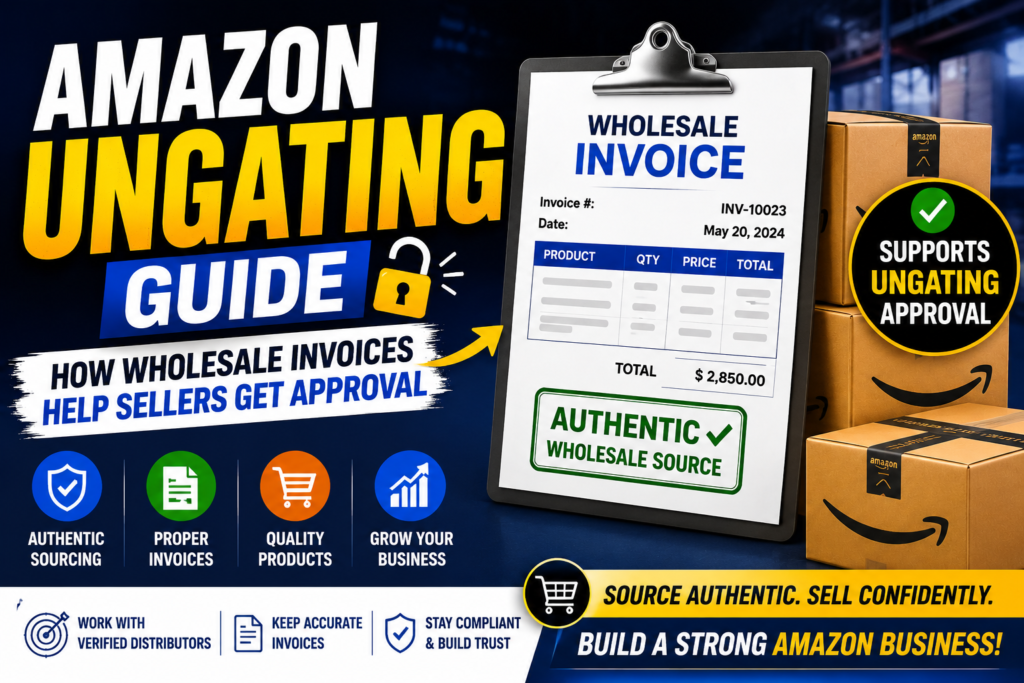
For an Amazon wholesale seller, an invoice is more than a record of payment. It can become an important part of your sourcing documentation when Amazon asks you to show where a product came from. A seller may be asked for invoices while applying to sell a restricted brand or category, responding to a product authenticity concern, or resolving an account health issue. However, simply having a document titled “Invoice” does not automatically mean it will meet Amazon’s requirements. The invoice should clearly connect your business, your supplier, and the products purchased. It should also contain accurate information that Amazon can review and, when necessary, verify. Quick Answer What should a wholesale invoice for Amazon include? A useful wholesale invoice should normally show: Amazon’s exact requirements may vary by category, brand, marketplace, application, or policy issue. Sellers should always review the instructions shown in their Seller Central case before submitting documents. Amazon provides separate guidance for invoice-based policy appeals and products that require approval. What Is a Wholesale Invoice for Amazon Sellers? A wholesale invoice is a commercial document issued by a manufacturer, brand, or wholesale distributor after a business purchases products for resale. Unlike a retail receipt, a proper wholesale invoice normally contains detailed information about both businesses involved in the transaction. It should identify the seller purchasing the inventory, the supplier providing it, and the products included in the order. For an Amazon FBA business, the invoice may help create a traceable sourcing record from the supplier to the seller. Wholesale Invoice vs. Retail Receipt A retail receipt usually shows basic information such as the store name, purchase date, total amount, and payment method. It may not include the buyer’s legal business details, detailed supplier information, or a clear business-to-business transaction record. A wholesale invoice is generally more detailed. It is designed for commercial purchases and usually includes: This distinction can matter when Amazon asks a seller for documentation related to authenticity, approval, or supply-chain verification. As discussed in our guide on authorized distributors versus regular suppliers, the source behind the invoice can be just as important as the appearance of the document. Why Wholesale Invoicing Matters for Amazon FBA Sellers Good invoicing supports more than bookkeeping. It helps sellers maintain organized records that may be useful in several situations. It Helps Document the Supply Chain Amazon sellers should be able to identify where their inventory came from. An invoice creates a written connection between the seller and the supplier. When the supplier is a legitimate manufacturer or verified wholesale distributor, that documentation can help sellers maintain a clearer sourcing history. It May Support Selling Applications Some products, brands, and categories require approval before a seller can list them. Amazon may ask for a recent purchase invoice from a manufacturer or distributor as part of the application. An invoice does not guarantee approval. Amazon reviews each application according to its current requirements, and those requirements can change or differ between marketplaces. A complete invoice may help support an approval request, depending on Amazon’s instructions and the product involved. It Can Be Relevant to Authenticity Reviews If a customer questions whether a product is genuine, Amazon may ask the seller to provide sourcing documents. The invoice may be reviewed to determine whether: Amazon has indicated that invoice reviews may consider supplier contact details, product identifiers, invoice dates, and quantities connected to the seller’s activity. For more context, read our article about product authenticity on Amazon and wholesale sourcing. It Supports Better Business Records Even when Amazon has not requested documentation, organized invoices can help sellers: Keeping accurate records from the beginning is much easier than trying to rebuild them after an account issue appears. What Your Amazon Wholesale Invoice Should Include Before placing a wholesale order, ask the supplier what information will appear on the final invoice. A professional invoice should include the following details. 1. Your Correct Legal Business Name The customer or buyer name on the invoice should match the legal business information connected to your Amazon seller account. Avoid using: Small differences may create confusion during a documentation review. Use the same spelling, formatting, and business structure wherever possible. 2. Your Billing Address The buyer address should be accurate and connected to your business. When possible, it should be consistent with the business or billing address shown in Seller Central. Before submitting an invoice, check for differences in suite numbers, postal codes, state abbreviations, or business locations. 3. Supplier’s Full Business Information The invoice should clearly identify the company that sold the products. Useful supplier information includes: The supplier should be reachable through the contact information shown. Amazon may attempt to evaluate or verify supplier information during certain reviews. 4. A Unique Invoice Number A commercial invoice should contain a unique invoice or order number. This helps distinguish the transaction from other orders and gives both the seller and supplier a reference if questions arise later. 5. A Clear Invoice Date The invoice should display the date on which it was issued. Amazon may require an invoice from a specific period, such as within a stated number of days before the application or complaint. Do not assume that one date range applies to every situation. Follow the date requirement displayed in your Seller Central request. 6. Identifiable Product Information Vague descriptions such as “assorted goods,” “beauty items,” or “general merchandise” may not clearly establish what was purchased. The invoice should identify products using information such as: The description should make it reasonably possible to connect the invoiced product with the Amazon listing or ASIN. 7. Quantity Purchased Each line item should display the number of units purchased. The quantity should be accurate and should reflect the real transaction. Depending on the case, Amazon may compare purchased quantities with the number of units listed or sold. Never ask a supplier to increase the invoice quantity unless that quantity was genuinely purchased. 8. Pricing and Order Total A standard invoice normally includes: Pricing alone does not establish