
Montana Farmhouse Horror: Family Finds Snakes Falling From Walls Every Day

A quiet rural farmhouse in Montana sounds like the perfect place for a peaceful family life. Open land, fresh air, wide skies, and a slower pace are exactly what many people dream about when they imagine country living. But for one Montana family, that dream turned into something closer to a real-life horror story after they discovered that their farmhouse was not just old, isolated, and rustic — it was also hiding snakes inside its walls and foundation. The story has gained attention online because of how terrifying and unusual it sounds. A woman named Callie, who has shared parts of her experience on social media, reportedly found that her family’s Montana farmhouse had become home to a serious snake problem. According to reports, snakes were not simply appearing outside near the property. They were showing up inside the home, coming from areas around the walls, basement, and foundation. Some reports describe the family seeing several snakes in a single day, especially during spring. For most homeowners, finding even one snake indoors would be enough to cause panic. But this family’s situation became much worse than a one-time scare. The snakes appeared again and again, turning normal daily life into a constant source of fear. A place that should have felt safe started to feel unpredictable. Every corner, doorway, basement step, and wall gap became something to worry about. A Rural Dream Becomes a Nightmare Living in a rural farmhouse often means accepting that wildlife will be nearby. In places like Montana, it is not unusual to see animals around open land, barns, fields, and old structures. Snakes, mice, insects, birds, and other creatures are part of the natural environment. But there is a major difference between seeing wildlife outside and finding snakes inside the home where children sleep, eat, and play. According to reports, Callie’s family discovered that the farmhouse appeared to have a deeper problem than a few snakes sneaking through a crack. The situation suggested that snakes may have been living around or beneath the structure itself. Old farmhouses often have foundation gaps, basement openings, crawl spaces, loose siding, and hidden entry points that can allow pests or wildlife to get inside. What made this case so disturbing was the frequency. The family reportedly saw snakes coming from areas connected to the house structure, making it feel as if the home itself had become part of the snake den. People magazine reported that Callie had seen up to eight snakes in a day during spring and was trying to raise money to move while also renovating the home. That detail is what turned the story from a simple pest problem into something that captured public attention. A snake outside is one thing. A snake dropping from a wall or appearing inside your living space every day is something else entirely. Why Snakes Enter Old Farmhouses Snake infestations are not always random. Snakes usually enter homes because the property offers three things: shelter, warmth, and food. If an old farmhouse has mice, insects, or other small prey, snakes may be attracted to the area. If the foundation has cracks or the basement stays warmer than the outside temperature, the home can become even more appealing. In colder regions, snakes may look for protected places to hide during seasonal changes. They can gather in underground spaces, crawl spaces, rock piles, or foundation gaps. If a house is built near a natural den or has structural openings, snakes may find their way inside again and again. In this Montana case, reports have described the snakes as garter snakes. Garter snakes are commonly considered less dangerous than venomous species, but that does not make the experience easy for a family. Even harmless snakes can cause extreme stress when they appear inside a home repeatedly, especially around young children. Newsweek reported that Callie Phillips, a mother of three, said the problem became much worse after earlier years when only one or two garter snakes would occasionally appear. That is one of the most important lessons from this story: a small wildlife issue can turn into a major infestation if the root cause is not fixed. Removing one snake may not solve the problem if the entry points, food source, or hidden den remain. The Fear of Never Feeling Safe at Home A home is supposed to be the one place where a family can relax. But when snakes are appearing from walls or foundation gaps, that feeling disappears. The mental pressure can become just as difficult as the physical problem. Imagine walking into your living room and wondering whether something is moving behind the wall. Imagine checking floors before letting your child play. Imagine hearing a sound near the basement and wondering if another snake is about to appear. That kind of daily fear can make a family feel trapped in their own house. This is why the story connected with so many people online. Viewers reacted strongly because the situation touches a very basic fear: the idea that your home may be hiding something you cannot control. Snakes are already one of the most common fears for many people. Seeing them inside a house, repeatedly, makes the situation feel almost cinematic. But for the family involved, this was not entertainment. It was everyday life. Why Getting Rid of Snakes Can Be So Difficult Unlike some household pests, snakes are not always easy to remove permanently. You cannot solve the problem only by catching the ones you see. If snakes are entering through hidden cracks or living beneath the foundation, more may continue to appear. The proper solution usually requires a full inspection of the property. Homeowners may need to check the basement, foundation, crawl space, siding, vents, doors, windows, plumbing gaps, and any damaged areas where snakes could enter. If rodents are present, they also need to be removed because they can attract snakes. In severe cases, renovation may be necessary. Sealing cracks, repairing foundations, replacing damaged materials, installing barriers,
The Fitbit Air’s Minimal Design Is Hiding a Bigger Strategy
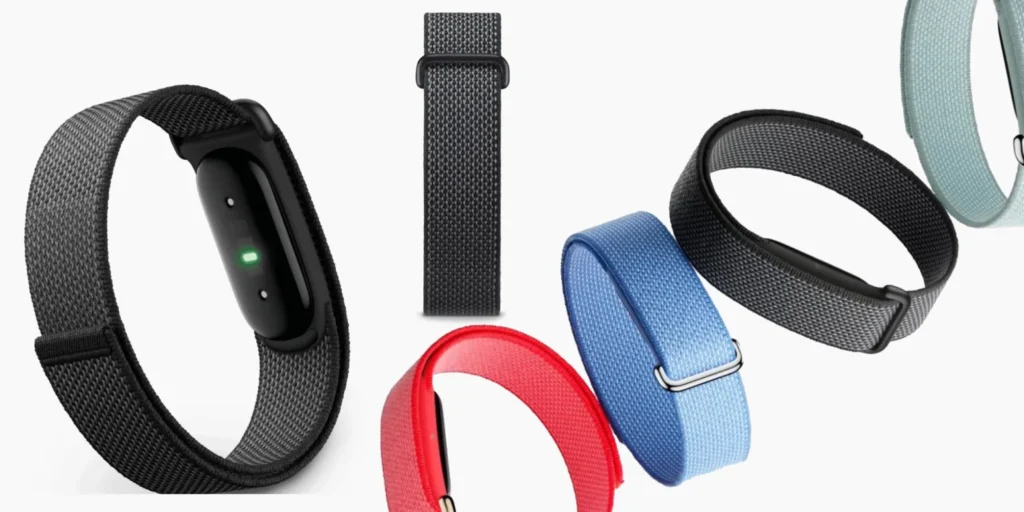
In a world where wearable technology often competes through flashy features, oversized screens, and increasingly complex interfaces, the rumored “Fitbit Air” appears to be taking a very different path. At first glance, its minimalist design may seem like another aesthetic choice aimed at style-conscious consumers. But beneath the clean lines, lightweight build, and simplified user experience lies a much larger strategy — one that could redefine how fitness technology fits into everyday life. The wearable market has matured significantly over the last decade. Consumers are no longer impressed by devices simply because they count steps or display notifications. Today’s users expect smartwatches and fitness trackers to integrate naturally into their lifestyle without becoming distracting, bulky, or overwhelming. This is where Fitbit’s potential strategy with the Fitbit Air becomes particularly interesting. Simplicity as a Competitive Advantage For years, technology companies have followed a “more is better” philosophy. More sensors, more apps, more features, and more complexity. While this strategy helped establish the smartwatch category, it also created a growing problem: feature fatigue. Many users only use a fraction of the functions available on modern wearables. Heart-rate tracking, sleep monitoring, basic notifications, and activity tracking remain the most commonly used features. Yet consumers are often forced to pay for advanced capabilities they rarely touch. The Fitbit Air’s minimalist approach signals a shift away from feature overload. Instead of competing directly with high-end smartwatches, Fitbit may be focusing on delivering the essentials in a more refined, accessible package. By stripping away unnecessary distractions, the company could appeal to users who want technology that supports their wellness goals without dominating their attention. This strategy aligns perfectly with broader consumer trends. Digital wellness has become a major concern, and many people are actively seeking ways to reduce screen time and simplify their relationship with technology. A lightweight wearable with a calm, focused interface may resonate more strongly than another device trying to replicate a smartphone on the wrist. A Design Philosophy Built Around Everyday Comfort One of the biggest barriers to long-term wearable adoption is comfort. Many users abandon fitness trackers after a few months because the devices feel intrusive, heavy, or inconvenient. Fitbit appears to understand that the most effective wearable is one users forget they are wearing. The rumored Fitbit Air reportedly emphasizes a thinner body, lightweight materials, and a subtle aesthetic. This is not just about fashion. It reflects a strategic understanding that wearable technology succeeds when it blends seamlessly into daily routines. A minimal design also broadens the product’s appeal. Traditional smartwatches often cater to tech enthusiasts, athletes, or professionals. A simplified fitness tracker can attract a much wider audience, including casual users, older adults, students, and individuals who may feel intimidated by complex gadgets. By focusing on comfort and accessibility, Fitbit could position the Air as a wellness companion rather than a high-tech accessory. The Subscription Ecosystem Strategy The hardware itself may only be part of Fitbit’s larger plan. In recent years, wearable companies have increasingly shifted toward subscription-based business models. Devices are no longer just products — they are gateways into long-term health ecosystems. Fitbit Premium already offers personalized insights, guided workouts, sleep analysis, stress management tools, and wellness reports. A more affordable, minimalist device like the Fitbit Air could serve as an entry point into this subscription ecosystem. This strategy makes sense from a business perspective. Hardware sales can fluctuate, but subscription services generate recurring revenue and strengthen customer loyalty. By lowering the barrier to entry with a sleek, affordable tracker, Fitbit can attract new users who may later invest in premium services. Instead of competing solely on device specifications, Fitbit may be competing on long-term health engagement. The Air could become less about owning a gadget and more about participating in a broader wellness platform. Competing Against Smartwatch Fatigue The smartwatch industry is facing an interesting challenge: consumers are beginning to question whether they really need fully featured smartwatches. Many modern smartwatches require frequent charging, constant updates, and ongoing attention. Notifications, apps, and alerts can create digital stress rather than convenience. This has opened the door for simpler devices that prioritize wellness over productivity. The Fitbit Air’s minimalism may be Fitbit’s answer to smartwatch fatigue. Rather than trying to outmatch premium devices in processing power or app ecosystems, Fitbit appears to be embracing restraint as a selling point. This mirrors trends seen in other industries. Minimalist smartphones, distraction-free productivity tools, and simplified user interfaces are all gaining popularity. Consumers increasingly value products that reduce cognitive overload rather than add to it. If Fitbit executes this strategy effectively, the Air could appeal to a large segment of users who feel disconnected from traditional smartwatches. Health Data Without the Complexity Another important aspect of Fitbit’s strategy is likely data simplification. Health tracking has become incredibly sophisticated, but raw data alone is not always useful. Many users feel overwhelmed by graphs, metrics, and wellness scores they do not fully understand. The Fitbit Air’s simplified design may extend to its software experience as well. Instead of bombarding users with technical analytics, Fitbit could focus on actionable insights and easy-to-understand recommendations. This would fit perfectly within the company’s long-standing strength in user-friendly fitness tracking. Fitbit built its reputation on making health data approachable for everyday users, not just athletes or biohackers. In an era where health technology often feels clinical or overly technical, a more human-centered approach could become a significant competitive advantage. The Influence of Google Since being acquired by Google, Fitbit has gained access to greater resources, AI capabilities, and ecosystem integration opportunities. The Fitbit Air may reflect a broader Google strategy around ambient computing — technology that quietly assists users in the background without demanding constant interaction. Minimalist hardware fits naturally into this vision. Instead of creating another attention-grabbing screen, Google and Fitbit may be working toward technology that becomes nearly invisible while still delivering meaningful health insights. Artificial intelligence could also play a larger role behind the scenes. Rather than adding more visible features, Fitbit may focus
How to Scale Your Retail Business with Wholesale Sourcing

1. Understanding the Economics of Scale At the heart of every successful retail giant like Walmart or Amazon is a masterclass in wholesale sourcing. The most immediate benefit is the Lower Cost Per Unit (CPU). When you buy 10 units, you pay the market price; when you buy 1,000 units, you pay the production-plus-margin price. Scaling requires capital. By reducing your CPU through wholesale, you increase your gross profit margin. This extra capital can then be reinvested into marketing, hiring better staff, or expanding your product lines. Without wholesale sourcing, your growth is limited by the thin margins of retail-to-retail arbitrage. 2. Finding the Right Wholesale Partners Scaling isn’t just about buying more; it’s about buying smarter. Your supplier is your most important business partner. 3. Inventory Management: The Pulse of Scaling As you move into wholesale, you will face the “Inventory Trap.” Too little stock leads to lost sales (stockouts); too much stock ties up your cash flow in “dead capital.” 4. Diversification of Product Lines Wholesale sourcing allows you to experiment. Instead of just selling “Wireless Headphones,” wholesale platforms allow you to source related accessories—chargers, cases, and stands—at a fraction of the cost. This is called Horizontal Scaling. By offering a “Full Solution” rather than a single product, you increase your Average Order Value (AOV). Customers prefer a one-stop-shop, and wholesale prices give you the margin to bundle these items together. 5. Leveraging Private Labeling Once you reach a certain volume with a wholesaler, many offer “White Label” or “Private Label” services. This is the ultimate scaling move. By putting your brand on a wholesale-sourced product, you move away from competing on price and start competing on Brand Equity. You are no longer selling a generic charger; you are selling a “YourBrand™ Pro-Charge.” 6. Logistics and Fulfillment Scaling requires a shift from manual shipping to automated logistics. Bulk sourcing usually means palletized shipments. You must optimize your warehouse space or partner with a 3PL (Third-Party Logistics) provider. Wholesalers who offer drop-shipping or streamlined bulk delivery can significantly reduce your “Time-to-Market.” 7. Strategic Pricing in a Competitive Market Wholesale sourcing gives you a “Pricing Cushion.” If a competitor starts a price war, your lower sourcing costs allow you to drop your prices to stay competitive while still remaining profitable. Alternatively, you can keep your prices high and use the extra margin to provide “Free Shipping”—one of the biggest conversion drivers in modern e-commerce. Conclusion Scaling is a marathon, not a sprint. It requires a move from the “scarcity mindset” of buying small to the “abundance mindset” of bulk wholesale sourcing. By choosing the right partners, managing your inventory with data, and reinvesting your higher margins into brand building, you can transform a small retail setup into a market-dominant force. Apply for a wholesale account FAQs 1. What is the minimum order quantity (MOQ) in wholesale? MOQ varies by supplier. Some wholesalers require you to buy hundreds of units, while platforms like Nations Distributor often have more flexible MOQs to help small businesses scale gradually. 2. How do I verify if a wholesaler is legitimate? Always check for a physical address, professional website, and trade references. Legitimate wholesalers usually require a Business License or Resale Certificate. 3. Can I start wholesale sourcing with a small budget? Yes. Start by “Wholesaling” your best-selling item only. Use the profits from that bulk purchase to fund the wholesale order of your second best-seller. 4. How does wholesale sourcing affect my taxes? In many regions, if you have a Resale Certificate, you do not pay sales tax to the wholesaler. You only collect and remit sales tax when the final consumer buys the product. 5. Is wholesale better than dropshipping for scaling? Dropshipping is great for testing products with zero risk, but Wholesale is better for scaling. Wholesale offers much higher margins and better control over shipping speeds and packaging quality.
Today’s NYT Connections Hints, Answers and Help for April 28, #1052

NYT Connections is back with another daily word challenge, and the April 28 puzzle, number #1052, brings a smart mix of simple categories, everyday actions, common objects, and one tricky wordplay-style group. If you are stuck on today’s grid, this guide gives you hints first, then category clues, and finally the full answers. That way, you can choose how much help you want without spoiling the whole puzzle too early. Connections gives players 16 words and asks them to sort those words into four groups of four. Each group has a hidden theme. Some categories are direct and easy to spot, while others rely on phrases, double meanings, or words that can be paired with another word. Today’s puzzle follows that pattern nicely. The yellow and green groups are fairly clear once you notice the right direction, while the blue and purple groups may take a little more thinking. The game uses four difficulty colors: yellow, green, blue, and purple, with purple usually being the trickiest. Today’s NYT Connections Words for April 28 The 16 words in today’s puzzle are: CALL, TAN, DRY, FLOWER, CHECK, DIAL, FOLD, BID, MATCH, SORT, STAMP, APPEAL, WASH, SCREEN, REQUEST, COUPON. At first glance, several words look like they could belong together. For example, call, check, bid, and match might make you think of games or competition. Dry, wash, and fold clearly feel related, but you still need a fourth word. Stamp, coupon, and check may also look connected, but the exact category is not obvious until you think about how these items are commonly packaged. Spoiler-Free Hints for Today’s Connections Here are light hints before the full solution: Yellow hint: Think of words that mean asking or pleading for something.Green hint: These are actions you might do when handling clothes.Blue hint: These items can come together in a small booklet or set.Purple hint: Each word can follow the same word related to our solar system. A useful extra hint: Check, fold, and call do not belong in the same group, even though they may seem connected at first. Today’s Connections Categories The four categories for April 28 are: Yellow: EntreatyGreen: Laundry Day VerbsBlue: Things That Come in “Books”Purple: Sun ___ These categories show why today’s puzzle is a good balance. The yellow group uses synonyms. The green group is based on daily actions. The blue group is about objects that can be found in book-style collections. The purple group is classic Connections wordplay because the words are not linked by meaning alone; they all form common phrases after the word “sun.” Today’s NYT Connections Answers for April 28, #1052 Yellow – Entreaty:APPEAL, BID, CALL, REQUEST These words all relate to asking, urging, or making a request. “Appeal” and “request” are the easiest pair here, while “bid” and “call” may be more flexible words that can trick players. Green – Laundry Day Verbs:DRY, FOLD, SORT, WASH This is one of the most straightforward groups today. These are common steps or actions connected to laundry day. Blue – Things That Come in “Books”:CHECK, COUPON, MATCH, STAMP This group is clever because the word “book” is not shown in the grid. A checkbook, coupon book, matchbook, and stamp book all make sense once the theme clicks. Purple – Sun ___:DIAL, FLOWER, SCREEN, TAN This is the trickiest group. Add “sun” before each word and you get sundial, sunflower, sunscreen, and suntan. This is the kind of category that can be difficult because the words do not look related until you test the missing-word pattern. Best Solving Strategy for Today’s Puzzle For today’s Connections, the best starting point is the laundry group. Wash, dry, fold, and sort are all strong matches, and there are not many convincing alternatives. After that, move to the entreaty group. Appeal and request are obvious partners, then bid and call complete the set. The blue group becomes easier once those first two groups are removed. Check, coupon, match, and stamp may feel random, but they all work with “book.” The purple group is the final wordplay set: dial, flower, screen, and tan all become familiar words when placed after “sun.” Final Thoughts Today’s NYT Connections for April 28, #1052, is not the hardest puzzle, but it has enough misdirection to slow players down. The biggest trap is assuming words like call, check, bid, and match belong together. They look like they could connect through games, money, or competition, but the actual groups are more precise. Once you solve the laundry verbs and entreaty words, the remaining categories become much clearer. Overall, this is a clean and enjoyable puzzle with a satisfying purple category. The “Sun ___” group is especially fun because it rewards players who think beyond direct meanings and look for phrase-building patterns. FAQs 1. What is the answer to NYT Connections for April 28, #1052? The answers are Appeal, Bid, Call, Request; Dry, Fold, Sort, Wash; Check, Coupon, Match, Stamp; and Dial, Flower, Screen, Tan. 2. What is the hardest category in today’s Connections? The hardest category is likely Sun ___, because it requires adding the word “sun” before each answer. 3. What are the purple words in today’s Connections? The purple words are Dial, Flower, Screen, and Tan. 4. What are the laundry words in today’s Connections? The laundry words are Dry, Fold, Sort, and Wash. 5. Is April 28 Connections puzzle #1051 or #1052? April 28, 2026 is Connections #1052. Puzzle #1051 belongs to April 27, 2026.
Luxury to high street jeans: can you tell the difference?
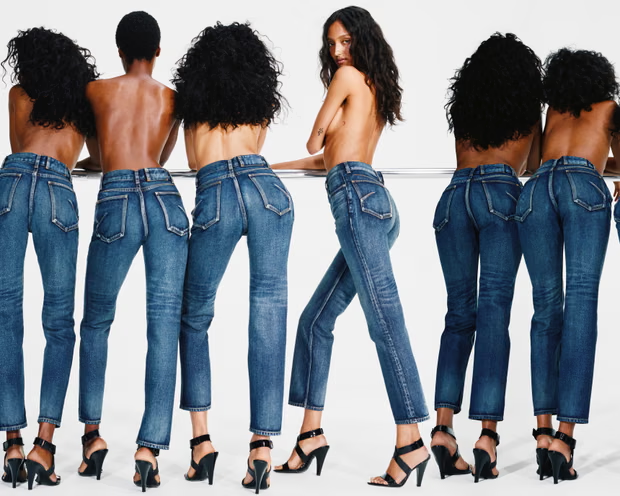
Jeans are one of the few wardrobe staples that cross every style, season, and budget. From premium designer labels to affordable high street brands, denim is everywhere. Yet one question keeps coming up for shoppers: can you really tell the difference between luxury jeans and high street jeans? At first glance, the answer may seem obvious. Luxury jeans often come with a higher price tag, sleek branding, and the promise of better quality. High street jeans, on the other hand, are accessible, trend-driven, and designed for the mass market. But when you actually put them side by side, the difference is not always as dramatic as many people think. The truth is, some differences are real, while others are more about perception, branding, and personal priorities. Let’s break down what really sets luxury denim apart from high street options and whether the extra money is worth it. What Makes Jeans “Luxury”? Luxury jeans are usually defined by a combination of brand reputation, premium materials, craftsmanship, fit development, and exclusivity. Designer and premium denim brands often invest more time into fabric sourcing, wash treatments, stitching quality, and tailoring. These jeans may use heavyweight denim, higher-grade cotton, Japanese or Italian fabric mills, and more refined finishing details. They are also often designed with a more carefully engineered fit, meaning the shape around the waist, hips, thighs, and legs may feel more intentional. In many cases, you are also paying for the label. A luxury brand name carries status, fashion credibility, and the emotional appeal of owning something exclusive. What Defines High Street Jeans? High street jeans are made for broad appeal. Brands in this category focus on affordability, current trends, and quick availability. They often release multiple styles each season, allowing shoppers to experiment without making a major investment. Modern high street retailers have become very skilled at interpreting luxury trends and making them accessible. Wide-leg cuts, straight-leg fits, raw hems, vintage washes, and rigid denim looks can all be found on the high street at a fraction of the cost. That means the style gap has narrowed. From a distance, a well-chosen pair of high street jeans can look just as fashionable as a premium pair. The major differences tend to appear in the details, durability, and fit consistency. Fabric Quality: The First Major Clue One of the clearest differences between luxury and high street jeans is fabric. Luxury jeans often feel denser, smoother, or more structured. The denim may hold its shape better over time and fade more beautifully with wear. High street jeans can still be comfortable and attractive, but they may use lighter fabrics or blends designed to cut costs and increase stretch. While that can make them easier to wear immediately, they sometimes lose shape more quickly after repeated washing. Luxury denim is more likely to develop character with age. High street denim is more likely to be replaced sooner. Still, this is not a hard rule. Some high street brands now offer premium ranges with surprisingly good fabrics, while some expensive designer jeans rely heavily on branding rather than construction. Fit: Where Luxury Often Wins Fit is where many shoppers notice the biggest difference. Luxury brands tend to spend more time perfecting patterns and tailoring. This can lead to jeans that contour the body better, sit more comfortably at the waist, and maintain a flattering silhouette throughout the day. High street jeans often aim for fits that work for a larger group of people. That sounds practical, but it can also mean they feel less precise. You may find a pair that looks great in the changing room but bags at the knees or stretches out after a few hours. That said, fit is highly personal. A luxury pair is not automatically better for every body type. Some shoppers actually find high street brands more wearable because they offer more inclusive sizing, shorter trend cycles, and a wider range of cuts. Construction and Finishing Details If you look closely, luxury jeans often show stronger attention to detail. This may include: These details may seem minor, but they can affect how long the jeans last and how polished they look. High street jeans can look excellent at first, but shortcuts may appear over time. Loose stitching, uneven fading, thin fabric, or warped zippers can become noticeable with regular wear. Again, not every pair is the same, but luxury brands usually aim for higher consistency. Can You See the Difference Right Away? Sometimes yes, sometimes no. From a visual point of view, many people cannot instantly tell whether jeans are luxury or high street, especially if there are no obvious logos. A dark wash straight-leg jean from a high street store can look nearly identical to a designer version in everyday wear. The difference is often more noticeable when you touch the fabric, try the jeans on, and wear them over time. Luxury denim may feel sturdier, fit more cleanly, and age more gracefully. High street denim may offer a similar look, but not always the same long-term performance. So if the question is whether someone else can tell the difference just by looking, the answer is often no. If the question is whether the wearer can feel the difference, the answer is more often yes. Is the Price Gap Worth It? This depends on what matters most to you. If you want jeans that last for years, hold their shape, and feel special every time you wear them, luxury denim may be a worthwhile investment. For people who wear jeans constantly, spending more on one or two excellent pairs can make sense. If you enjoy changing styles often, following trends, or shopping on a budget, high street jeans are a smart choice. You can try different cuts and washes without committing to a high price point. There is also a middle ground. Many premium contemporary denim brands sit between luxury and high street, offering stronger quality without the steepest designer markup. For many shoppers, this is
Justin Fairfax: Biography, Career, and Political Controversies

Justin Fairfax is a prominent American political figure best known for serving as the Lieutenant Governor of Virginia from 2018 to 2022. His career has been marked by significant achievements, a rapid rise in politics, and notable controversies that brought national attention. From his early life and education to his role in state leadership, Fairfax’s journey offers insight into modern American politics and the challenges faced by public figures. This article explores Justin Fairfax’s biography, career milestones, and the controversies that shaped his public image. Early Life and Education Justin Edward Fairfax was born on February 17, 1979, in Pittsburgh, Pennsylvania, but he was raised in the Washington, D.C. area. His upbringing played a significant role in shaping his ambition and dedication to public service. Fairfax attended Duke University, where he earned his undergraduate degree. He later went on to receive a law degree from Columbia Law School, one of the most prestigious law schools in the United States. During his academic years, Fairfax demonstrated strong leadership qualities and a keen interest in law and governance. His education laid the foundation for his future career in public service and law. Early Career and Legal Background Before entering politics, Justin Fairfax built a career as a lawyer. He worked at major law firms and also served as a federal prosecutor. His experience in the legal field allowed him to develop a strong understanding of the justice system and public policy. As an Assistant United States Attorney, Fairfax handled a range of cases, including white-collar crimes. This role helped him gain credibility and recognition as a skilled legal professional. His legal background later became a key component of his political identity, as he often emphasized justice reform, fairness, and equal opportunity in his public messaging. Entry into Politics Justin Fairfax first entered the political arena in 2013 when he ran for Attorney General of Virginia. Although he did not win the Democratic nomination, his campaign gained attention and helped establish him as a rising political figure. His persistence paid off in 2017 when he ran for Lieutenant Governor of Virginia. Fairfax won the Democratic primary and went on to secure victory in the general election. His win made him the second African American to hold the position in Virginia’s history. His election was seen as a milestone and positioned him as a potential future leader within the Democratic Party. Role as Lieutenant Governor of Virginia As Lieutenant Governor, Justin Fairfax served as the President of the Virginia Senate. In this role, he was responsible for presiding over legislative sessions and casting tie-breaking votes when necessary. During his tenure, Fairfax focused on several key issues: He often advocated for policies aimed at creating a more equitable society. His leadership style emphasized collaboration and bipartisan cooperation. Fairfax also gained national attention during his time in office, particularly during periods of political uncertainty in Virginia. At one point, he was seen as a potential successor to the governorship amid controversies involving other state leaders. Major Achievements Justin Fairfax’s career includes several notable achievements: 1. Historic Election Victory His election as Lieutenant Governor marked a significant milestone, especially in terms of representation and diversity in Virginia politics. 2. Legal Expertise in Governance Fairfax brought his legal background into policymaking, contributing to discussions on justice reform and legal accountability. 3. Advocacy for Equality Throughout his career, he consistently promoted policies aimed at improving opportunities for underrepresented communities. 4. National Recognition His role in Virginia politics earned him recognition beyond the state level, making him a known figure in national political discussions. Political Controversies Despite his achievements, Justin Fairfax’s career has been significantly impacted by controversies. Allegations and Public Response In 2019, Fairfax faced serious allegations that quickly gained national media attention. These allegations led to widespread debate and scrutiny, affecting his political standing. Fairfax denied the allegations and called for due process. The situation created a highly charged political environment, with discussions about accountability, fairness, and the broader implications for public officials. Impact on Career The controversies had a profound impact on Fairfax’s political trajectory: Despite remaining in office, the controversies overshadowed much of his tenure and became a defining aspect of his public image. Public Image and Media Coverage Justin Fairfax’s public image has been shaped by both his accomplishments and the controversies surrounding him. Media coverage of Fairfax has often been polarized: This dual narrative reflects the complexities of modern political life, where public figures are often judged on both their professional contributions and personal conduct. Later Political Career and Developments After completing his term as Lieutenant Governor, Justin Fairfax explored further political opportunities. He remained active in public discussions and continued to express interest in public service. Although his future political path remains uncertain, Fairfax’s experience and visibility ensure that he remains a notable figure in American politics. Key Facts About Justin Fairfax Conclusion Justin Fairfax’s journey reflects both the opportunities and challenges of political life. From his early achievements and rapid rise in Virginia politics to the controversies that shaped his career, his story highlights the complexities faced by public figures. While his accomplishments demonstrate his capability and dedication to public service, the controversies surrounding him serve as a reminder of the intense scrutiny that comes with political leadership. As American politics continues to evolve, Justin Fairfax remains a figure whose career offers valuable lessons about leadership, accountability, and resilience. FAQs 1. Who is Justin Fairfax? Justin Fairfax is an American politician and lawyer who served as the Lieutenant Governor of Virginia from 2018 to 2022. 2. What is Justin Fairfax known for? He is known for his role in Virginia politics, his legal career, and the controversies that gained national attention. 3. What was his role as Lieutenant Governor? He presided over the Virginia Senate and played a key role in legislative processes. 4. Did controversies affect his career? Yes, the controversies had a significant impact on his political reputation and future prospects. 5. What is Justin Fairfax doing now? He
Amazon Fire TV Stick Lawsuit: What’s the Real Issue?
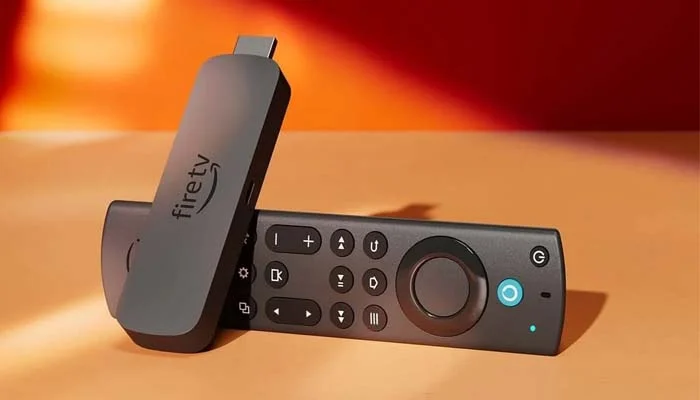
The real issue behind the Amazon Fire TV Stick lawsuit is whether Amazon allowed certain older Fire TV Stick devices to lose core performance and usability after software changes or reduced support, while consumers still expected those products to function normally. Current reporting says a class action complaint alleges some devices became slow, unstable, or effectively unusable, and that users may have been pushed toward upgrading earlier than expected. These are still allegations in an active legal dispute, not final court findings. For consumers, this matters because a streaming device is usually sold as a long-term convenience product. Most buyers do not expect to replace it quickly unless it physically breaks. If software decisions shorten the useful life of a device, that raises bigger questions about transparency, digital product lifespan, and consumer rights. What Is the Amazon Fire TV Stick Lawsuit About? The lawsuit reportedly claims that Amazon’s handling of software support and updates harmed the performance of some older Fire TV Stick devices. In the coverage available now, the complaint says certain users experienced major slowdowns, reduced functionality, or a near-total loss of practical use after updates or support changes. One version of the complaint described the issue as a forced update that allegedly “degraded” a previously functional Fire TV Stick 4K. In simple terms, the case appears to focus on this question: Did Amazon sell or maintain Fire TV Stick devices in a way that left consumers with products that no longer worked as reasonably expected? That is why the case is getting attention. It is not just about a gadget slowing down over time. It is about whether that decline was ordinary aging, or whether software choices and support decisions played a direct role. What’s the Real Issue for Consumers? The real issue is not merely “my Fire Stick is old.” The bigger concern is whether consumers were clearly told how long their device would remain fully supported and whether updates would reduce performance. Most people understand that old electronics can become outdated. What frustrates buyers is when a device still seems physically fine but becomes difficult to use because the software ecosystem changes around it. If apps stop working well, menus lag, streaming buffers constantly, or key functions break after updates, many users feel the product’s value has been cut short. That creates three major consumer concerns: 1. Product lifespan A streaming stick is not marketed like a temporary item. Buyers expect years of reasonable performance. 2. Transparency If support limits or update risks were not made clear, users may argue they were not fully informed. 3. Forced upgrades If older devices become frustrating enough to use, customers may feel pushed toward buying a newer Fire TV product sooner than planned. Why This Lawsuit Matters Beyond Amazon The Amazon Fire TV Stick lawsuit matters because it reflects a much bigger issue in consumer tech: software can now decide how long hardware remains useful. Years ago, a device mostly stopped working when the hardware failed. Today, smart devices depend on operating system updates, app compatibility, security support, and backend services. That means a streaming stick, e-reader, phone, or smart speaker may become less useful long before its physical parts wear out. This broader concern has become more visible in 2026 because Amazon is also ending support for some older Kindle and Kindle Fire devices released in 2012 or earlier, showing how support life has become a major consumer issue across connected devices. That does not prove the Fire TV lawsuit, but it does highlight why users are increasingly sensitive to the idea that aging software support can sharply reduce the value of hardware they already own. Which Fire TV Devices Could Be Affected? Public reporting on the lawsuit focuses on older Fire TV Stick devices, and one complaint excerpt specifically references a first-generation Fire TV Stick 4K. However, publicly available coverage does not yet provide a definitive court-confirmed master list of every device affected. That means it would be inaccurate to claim that all Fire TV Sticks are part of the case. If you own an older Fire TV Stick and have noticed any of the following, your experience may resemble the complaints described in the reporting: That still does not automatically mean your device is legally covered by the lawsuit. It only means your symptoms may be similar to what has been alleged. Has Amazon Been Found Liable? As of the latest coverage I found, no final court ruling has established liability. The matter is being reported as a class action lawsuit with allegations from the plaintiff side. That distinction is important for accurate writing and SEO trust signals. A high-quality blog should avoid saying things like “Amazon bricked Fire TV devices” as a confirmed fact. A more accurate phrasing is: “A class action lawsuit alleges Amazon’s software support decisions caused certain older Fire TV Stick devices to become slow or unusable.” That wording keeps the content factual, legally safer, and more credible for both readers and search engines. What Should Fire TV Stick Owners Do Now? If you own an older Fire TV Stick and suspect it has become slower or less usable over time, the best next step is documentation. Start by checking your exact model and when you bought it. Then track the performance issues you are seeing. Note whether the problems started after a software update, whether specific apps stopped working properly, and whether your internet connection is otherwise normal on other devices. Helpful steps include: This is useful whether you are simply troubleshooting or deciding whether to follow the class action more closely. Could This Affect Amazon’s Reputation? Yes, especially if the case gains more traction. Amazon’s Fire TV line competes in a crowded streaming market where trust matters. Buyers want affordable hardware, but they also want confidence that the device will stay useful for a reasonable period. If users start associating Fire TV Sticks with short support life or performance loss, that could damage customer confidence even before the
Best Baby Care Products Wholesale for Amazon FBA Sellers (2026 Guide)

The Best Baby Care Products industry continues to be one of the most profitable and stable niches for Amazon FBA sellers. Parents consistently prioritize quality, safety, and convenience, making baby products a recession-resistant category with high repeat purchase rates. In 2026, the demand for eco-friendly, organic, innovative, and safety-certified baby care products is stronger than ever. If you’re an Amazon FBA seller looking to source wholesale baby care products, this comprehensive guide will help you understand which products are trending, profitable, and scalable — and how to choose the right wholesale inventory for long-term success. Why Sell Best Baby Care Products on Amazon in 2026? Before diving into product ideas, it’s important to understand why baby care remains a top-performing category: However, this niche also requires compliance, safety certifications, and strict quality control — especially when sourcing wholesale products. Top Best Baby Care Products to Buy Wholesale for Amazon FBA in 2026 Below are high-demand, profitable baby care categories for wholesale sourcing. 1. Organic Baby Skincare Products Parents in 2026 are highly conscious about ingredients. Products labeled organic, chemical-free, hypoallergenic, and dermatologist-tested are dominating sales. Best Wholesale Products: Why They Sell: Tip: Ensure FDA compliance (if applicable) and proper ingredient labeling before selling on Amazon. 2. Biodegradable Baby Wipes Eco-conscious parenting is a massive trend in 2026. Biodegradable, compostable, and plastic-free baby wipes are among the fastest-growing subcategories. What to Look for in Wholesale: These products are ideal for Amazon Subscribe & Save programs, increasing recurring revenue. 3. Baby Feeding Essentials Feeding products are practical and highly in demand, especially BPA-free and silicone-based items. Top Wholesale Feeding Products: Why They’re Profitable: Bundling feeding items increases average order value and reduces competition. 4. Baby Grooming Kits Parents prefer buying complete grooming sets instead of individual tools. Popular Wholesale Grooming Products: These products perform well when branded professionally and packaged attractively. 5. Baby Bath Accessories Bath time essentials remain consistent sellers across all seasons. Best Wholesale Bath Products: Soft, hypoallergenic, and quick-dry materials are key selling points in 2026. 6. Baby Diapering Products Although large diaper brands dominate Amazon, smaller private label sellers can succeed with complementary diapering products. Strong Wholesale Options: These products have lower compliance risks compared to creams or ingestible items. 7. Baby Safety Products Safety is a top concern for parents, and baby-proofing products see steady demand. Profitable Wholesale Safety Items: Make sure products meet safety standards and include clear installation instructions. 8. Baby Sleep Essentials Sleep-related baby products perform very well when positioned correctly. High-Demand Wholesale Products: Soft fabrics and breathable materials are major selling points. How to Choose the Right Wholesale Baby Products for Amazon FBA Selecting the right product is just as important as choosing the category. 1. Check Amazon Compliance Requirements Baby products often require: Before purchasing wholesale inventory, confirm that your supplier can provide necessary certifications. 2. Avoid Restricted Categories Some baby products like: may require additional approvals on Amazon. Always check Seller Central guidelines before sourcing. 3. Analyze Profit Margins When sourcing wholesale baby products, calculate: Aim for at least 30–40% profit margin after all expenses. 4. Focus on Lightweight & Small Products Smaller items reduce: This improves overall ROI and reduces risk. 5. Look for Bundling Opportunities Instead of competing on single products, create value bundles like: Bundling reduces direct competition and increases perceived value. Where to Source Wholesale Baby Care Products in 2026 Here are common sourcing options: 1. Local Distributors Safer option, easier communication, faster shipping. 2. International Manufacturers (China, Vietnam, India, Turkey) Lower costs but require strict quality control. 3. Trade Shows Baby product expos are excellent for finding verified suppliers. 4. Online Wholesale Platforms Always order samples before placing bulk orders. Branding Tips for Amazon Baby Care Sellers In 2026, branding matters more than ever. Focus On: Parents buy from brands they trust, not just the cheapest option. Marketing Strategies for Baby Care Products on Amazon Keywords like: can improve discoverability. Final Thoughts The baby care wholesale market for Amazon FBA sellers in 2026 presents enormous opportunity — but also requires careful product selection, compliance awareness, and strong branding. The most profitable products share these qualities: If you choose the right wholesale supplier, ensure compliance, and build a trustworthy brand, baby care products can become one of your most stable and scalable Amazon FBA categories. Apply for a wholesale account
Where to Find Amazon FBA Suppliers in USA (Beginner to Pro Guide)
Finding reliable Amazon FBA suppliers in the USA is one of the most important steps in building a successful Amazon business. Whether you’re just starting or already selling, choosing the right Amazon FBA wholesale suppliers can significantly impact your profits and growth. In this complete beginner-to-pro guide, you’ll learn where to find trusted USA wholesale suppliers for Amazon, how to verify them, and how to scale your sourcing strategy in 2026. Why Finding the Right Amazon FBA Suppliers Matters Your supplier is the backbone of your business. The right Amazon FBA supplier wholesaler can provide: On the other hand, working with the wrong Amazon wholesale distributors in USA can lead to poor reviews, account issues, and financial losses. Types of Amazon FBA Suppliers in USA Before finding suppliers, it’s important to understand the different types: 1. Manufacturers These companies produce goods and often offer the lowest prices. Ideal for bulk buyers. 2. Distributors Amazon authorized distributors work directly with brands and supply authentic products. 3. Wholesalers US wholesalers for Amazon buy in bulk and resell to retailers. 4. Brands Some brands allow direct partnerships with Amazon sellers. Best Places to Find Amazon FBA Suppliers in USA Here are the top sources to find Amazon FBA suppliers USA: 1. Supplier Directories Directories are the easiest way for beginners to start. SaleHoo Worldwide Brands TopTenWholesale 2. Google Search (Advanced Method) Many professional sellers find Amazon wholesale distributors in USA through Google. Try search terms like: Go beyond the first page to find hidden suppliers with less competition. 3. Contact Brands Directly One of the best pro strategies is to contact brands: This helps you access Amazon authorized distributors and reduces competition. 4. Trade Shows & Exhibitions Trade shows are powerful for networking with US based suppliers for Amazon. Popular trade shows in USA: Benefits: 5. Online Wholesale Marketplaces You can also find Amazon FBA suppliers on platforms like: These platforms connect you with USA wholesale distributors that Amazon sellers trust. 6. Local Wholesale Markets Don’t ignore local opportunities: Many successful sellers find US wholesalers for Amazon locally with less competition. How to Verify Amazon FBA Suppliers Not all suppliers are reliable. Follow these steps: Check Business Registration Make sure the supplier is legally registered. Ask for Invoice Professional Amazon FBA wholesale suppliers always provide invoices. Request Samples Test product quality before bulk orders. Verify Authorization Confirm they are Amazon-authorized distributors. Read Reviews Check online feedback and ratings. Beginner Strategy to Find Suppliers If you’re just starting: This approach reduces risk while learning. Pro Strategy to Scale Your Supplier Network For experienced sellers: Build Direct Brand Relationships Cut out middlemen and increase margins. Use Multiple Suppliers Avoid stock issues by diversifying sources. Negotiate Better Pricing Order in bulk to get discounts. Automate Sourcing Use tools to track profitable products. Common Mistakes to Avoid Working with Fake Suppliers Always verify USA wholesale distributors. Ignoring Profit Margins Calculate all Amazon fees before buying. Overbuying Inventory Start small to avoid losses. Choosing Saturated Products Focus on demand + low competition. Best Niches for Amazon FBA Suppliers in 2026 Top-performing categories: These niches work well with Amazon FBA suppliers USA. Final Thoughts Finding the right Amazon FBA suppliers in USA is not difficult if you follow the right strategy. Start with directories, move to direct brand deals, and build long-term relationships. Whether you’re a beginner or a pro, working with trusted Amazon wholesale distributors in USA will help you scale faster and build a sustainable Amazon business in 2026. Apply for a wholesale account FAQs 1. Where can I find Amazon FBA suppliers in USA? You can find them through directories like SaleHoo, Google search, trade shows, and direct brand contact. 2. Are USA wholesale suppliers better for Amazon FBA? Yes, they offer faster shipping, better quality, and lower risk. 3. How do I verify an Amazon FBA supplier? Check business registration, ask for invoices, request samples, and verify authorization. 4. Can beginners find Amazon FBA suppliers easily? Yes, using supplier directories is the easiest way to start. 5. What is the best way to scale with suppliers? Build direct relationships with brands and negotiate better pricing as you grow.
Reliable Wholesale Products for Amazon FBA Success

Building a successful Amazon FBA (Fulfillment by Amazon) business starts with one critical decision: choosing the right wholesale products. While many sellers focus on trends or viral items, long-term success depends on sourcing reliable, high-demand, and profitable products that can consistently generate sales. In this guide, we’ll explore the best types of wholesale products for Amazon FBA, how to identify winning items, and strategies to ensure long-term success. Why Choosing Reliable Wholesale Products Matters Not all products are created equal on Amazon. Reliable wholesale products offer: When you choose the wrong products, you risk inventory sitting unsold, price wars, and negative reviews. Key Characteristics of Winning Wholesale Products Before selecting products, make sure they meet these criteria: 1. High Demand Look for products with steady sales throughout the year. Avoid overly seasonal items unless you plan accordingly. 2. Low to Moderate Competition Highly competitive niches can reduce your profit margins. Use tools like Helium 10 or Jungle Scout to analyze competition. 3. Good Profit Margins Aim for at least a 20–30% profit margin after all Amazon fees and shipping costs. 4. Lightweight and Small Size Smaller products reduce storage and shipping costs, increasing profitability. 5. Low Return Rate Avoid fragile or complex products that are more likely to be returned. Best Categories for Wholesale Products on Amazon FBA Here are some of the most reliable product categories: 1. Home & Kitchen Products This is one of Amazon’s largest and most stable categories. Examples: Why it works: 2. Health & Personal Care Products in this category often have consistent demand. Examples: Why it works: 3. Baby Products Parents are always willing to spend on quality baby items. Examples: Why it works: 4. Pet Supplies Pet owners frequently purchase products for their animals. Examples: Why it works: 5. Office & School Supplies These products perform well throughout the year, especially during back-to-school seasons. Examples: 6. Fitness & Sports Products With growing health awareness, this category is booming. Examples: How to Find Reliable Wholesale Products 1. Use Product Research Tools Tools like Helium 10, Jungle Scout, and AMZScout help analyze: 2. Check Amazon Best Sellers Browse Amazon’s Best Seller pages to identify trending and consistent products. 3. Analyze Customer Reviews Look at competitor reviews to identify: 4. Work with Trusted Suppliers Choose verified wholesalers or distributors to ensure product quality and authenticity. Tips for Sourcing Wholesale Products Order Samples First Always test product quality before placing bulk orders. Build Supplier Relationships Long-term partnerships can lead to better pricing and priority stock. Negotiate Pricing Don’t hesitate to negotiate, especially for larger orders. Verify Brand Restrictions Ensure the product or brand is not restricted on Amazon. Pricing Strategy for Wholesale Products To succeed, your pricing must be competitive yet profitable. Consider These Costs: Use the 3x Rule Many sellers aim to sell products at 3 times the cost price to maintain healthy margins. Common Mistakes to Avoid How to Scale Your Amazon FBA Business Once you find a winning product: Expand Your Product Line Introduce variations like colors, sizes, or bundles. Optimize Listings Use SEO-friendly titles, bullet points, and images. Invest in Advertising Run Amazon PPC campaigns to boost visibility. Monitor Performance Track sales, reviews, and competitor activity regularly. Final Thoughts Success in Amazon FBA doesn’t come from luck—it comes from smart product selection and reliable sourcing. By choosing wholesale products with consistent demand, good margins, and low competition, you can build a sustainable and profitable business. Focus on quality, research thoroughly, and always test before scaling. With the right approach, your Amazon FBA journey can turn into a long-term income stream. Apply for a wholesale account FAQs 1. What are the best wholesale products for Amazon FBA? Home & Kitchen, Health & Personal Care, Pet Supplies, and Baby Products are among the most reliable categories. 2. How do I find profitable wholesale products? Use tools like Helium 10, analyze Amazon Best Sellers, and study competitor listings. 3. Is wholesale better than private label for Amazon FBA? Wholesale is less risky and easier to start, while private label offers higher profit potential. 4. How much profit should I aim for? A minimum of 20–30% profit margin is recommended after all costs. 5. Can I start Amazon FBA with low investment? Yes, you can start small by choosing low MOQ suppliers and testing products before scaling.