
In a world where wearable technology often competes through flashy features, oversized screens, and increasingly complex interfaces, the rumored “Fitbit Air” appears to be taking a very different path. At first glance, its minimalist design may seem like another aesthetic choice aimed at style-conscious consumers. But beneath the clean lines, lightweight build, and simplified user experience lies a much larger strategy — one that could redefine how fitness technology fits into everyday life.
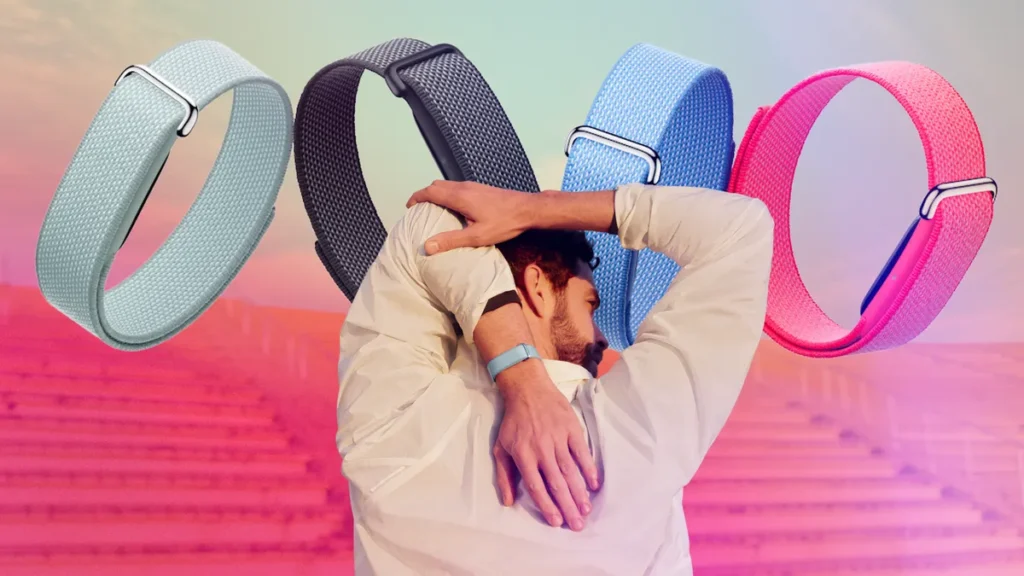
The wearable market has matured significantly over the last decade. Consumers are no longer impressed by devices simply because they count steps or display notifications. Today’s users expect smartwatches and fitness trackers to integrate naturally into their lifestyle without becoming distracting, bulky, or overwhelming. This is where Fitbit’s potential strategy with the Fitbit Air becomes particularly interesting.
Simplicity as a Competitive Advantage
For years, technology companies have followed a “more is better” philosophy. More sensors, more apps, more features, and more complexity. While this strategy helped establish the smartwatch category, it also created a growing problem: feature fatigue.
Many users only use a fraction of the functions available on modern wearables. Heart-rate tracking, sleep monitoring, basic notifications, and activity tracking remain the most commonly used features. Yet consumers are often forced to pay for advanced capabilities they rarely touch.
The Fitbit Air’s minimalist approach signals a shift away from feature overload. Instead of competing directly with high-end smartwatches, Fitbit may be focusing on delivering the essentials in a more refined, accessible package. By stripping away unnecessary distractions, the company could appeal to users who want technology that supports their wellness goals without dominating their attention.
This strategy aligns perfectly with broader consumer trends. Digital wellness has become a major concern, and many people are actively seeking ways to reduce screen time and simplify their relationship with technology. A lightweight wearable with a calm, focused interface may resonate more strongly than another device trying to replicate a smartphone on the wrist.
A Design Philosophy Built Around Everyday Comfort
One of the biggest barriers to long-term wearable adoption is comfort. Many users abandon fitness trackers after a few months because the devices feel intrusive, heavy, or inconvenient. Fitbit appears to understand that the most effective wearable is one users forget they are wearing.
The rumored Fitbit Air reportedly emphasizes a thinner body, lightweight materials, and a subtle aesthetic. This is not just about fashion. It reflects a strategic understanding that wearable technology succeeds when it blends seamlessly into daily routines.
A minimal design also broadens the product’s appeal. Traditional smartwatches often cater to tech enthusiasts, athletes, or professionals. A simplified fitness tracker can attract a much wider audience, including casual users, older adults, students, and individuals who may feel intimidated by complex gadgets.
By focusing on comfort and accessibility, Fitbit could position the Air as a wellness companion rather than a high-tech accessory.
The Subscription Ecosystem Strategy
The hardware itself may only be part of Fitbit’s larger plan. In recent years, wearable companies have increasingly shifted toward subscription-based business models. Devices are no longer just products — they are gateways into long-term health ecosystems.
Fitbit Premium already offers personalized insights, guided workouts, sleep analysis, stress management tools, and wellness reports. A more affordable, minimalist device like the Fitbit Air could serve as an entry point into this subscription ecosystem.
This strategy makes sense from a business perspective. Hardware sales can fluctuate, but subscription services generate recurring revenue and strengthen customer loyalty. By lowering the barrier to entry with a sleek, affordable tracker, Fitbit can attract new users who may later invest in premium services.
Instead of competing solely on device specifications, Fitbit may be competing on long-term health engagement. The Air could become less about owning a gadget and more about participating in a broader wellness platform.
Competing Against Smartwatch Fatigue
The smartwatch industry is facing an interesting challenge: consumers are beginning to question whether they really need fully featured smartwatches.
Many modern smartwatches require frequent charging, constant updates, and ongoing attention. Notifications, apps, and alerts can create digital stress rather than convenience. This has opened the door for simpler devices that prioritize wellness over productivity.
The Fitbit Air’s minimalism may be Fitbit’s answer to smartwatch fatigue. Rather than trying to outmatch premium devices in processing power or app ecosystems, Fitbit appears to be embracing restraint as a selling point.
This mirrors trends seen in other industries. Minimalist smartphones, distraction-free productivity tools, and simplified user interfaces are all gaining popularity. Consumers increasingly value products that reduce cognitive overload rather than add to it.
If Fitbit executes this strategy effectively, the Air could appeal to a large segment of users who feel disconnected from traditional smartwatches.
Health Data Without the Complexity
Another important aspect of Fitbit’s strategy is likely data simplification. Health tracking has become incredibly sophisticated, but raw data alone is not always useful. Many users feel overwhelmed by graphs, metrics, and wellness scores they do not fully understand.
The Fitbit Air’s simplified design may extend to its software experience as well. Instead of bombarding users with technical analytics, Fitbit could focus on actionable insights and easy-to-understand recommendations.
This would fit perfectly within the company’s long-standing strength in user-friendly fitness tracking. Fitbit built its reputation on making health data approachable for everyday users, not just athletes or biohackers.
In an era where health technology often feels clinical or overly technical, a more human-centered approach could become a significant competitive advantage.
The Influence of Google
Since being acquired by Google, Fitbit has gained access to greater resources, AI capabilities, and ecosystem integration opportunities. The Fitbit Air may reflect a broader Google strategy around ambient computing — technology that quietly assists users in the background without demanding constant interaction.
Minimalist hardware fits naturally into this vision. Instead of creating another attention-grabbing screen, Google and Fitbit may be working toward technology that becomes nearly invisible while still delivering meaningful health insights.
Artificial intelligence could also play a larger role behind the scenes. Rather than adding more visible features, Fitbit may focus on smarter algorithms, better health predictions, and personalized coaching powered by AI.
In this context, the Fitbit Air’s simplicity becomes strategic rather than limiting. The device may intentionally hide its technological sophistication beneath a calm and approachable interface.
A Shift Toward Lifestyle Wellness
Fitness wearables are no longer only about exercise. Consumers increasingly view wellness holistically, including sleep quality, stress management, mindfulness, recovery, and emotional well-being.
The Fitbit Air’s understated design may reflect this broader transition from “fitness tracking” to “lifestyle wellness.” Aggressive sports-focused branding can alienate users who simply want healthier habits and better balance in their daily lives.
By emphasizing simplicity, comfort, and subtlety, Fitbit could reposition wearable technology as an everyday wellness tool rather than a performance device.
This shift may prove especially important as the market becomes saturated. The future winners in wearable technology may not be the companies offering the most features, but the ones delivering the most sustainable user experiences.
Conclusion
The Fitbit Air’s minimalist design is likely far more than a stylistic decision. It represents a strategic response to changing consumer behavior, smartwatch fatigue, digital wellness concerns, and the growing importance of subscription-based health ecosystems.
Rather than competing in the endless race for more features, Fitbit appears to be focusing on simplicity, accessibility, and long-term engagement. The company may understand something increasingly important in modern technology: consumers do not always want more technology — they want better relationships with technology.
If successful, the Fitbit Air could signal a major shift in the wearable industry. In a market obsessed with doing everything, Fitbit’s biggest innovation may simply be doing less — but doing it exceptionally well.
FAQs
1. What is the Fitbit Air?
The Fitbit Air is a rumored minimalist fitness wearable expected to focus on lightweight design, essential health tracking, and a simplified user experience.
2. Why is Fitbit focusing on minimalism?
Fitbit appears to be responding to consumer demand for simpler, less distracting technology that supports wellness without overwhelming users with excessive features.
3. How could Fitbit Air differ from traditional smartwatches?
Unlike feature-heavy smartwatches, the Fitbit Air may prioritize comfort, battery life, wellness tracking, and ease of use rather than apps and productivity tools.
4. Will Fitbit Air support subscription services?
It is likely that the device will integrate with Fitbit Premium, offering advanced wellness insights, coaching, and personalized health recommendations.
5. Is minimalist wearable technology becoming a trend?
Yes. Many consumers are experiencing smartwatch fatigue and are increasingly interested in technology that feels less intrusive and more focused on well-being.